Photo courtesy of Homestead Gardens
If you look out the window to your garden today, what you’ll see isn’t just a collection of plants — it’s a snapshot of a moment in time that will never look the same again. Whether what you’ve curated is a couple of flower beds or an entire yard full of plants, your garden grows a bit more each day and serves as a unique reflection of you.
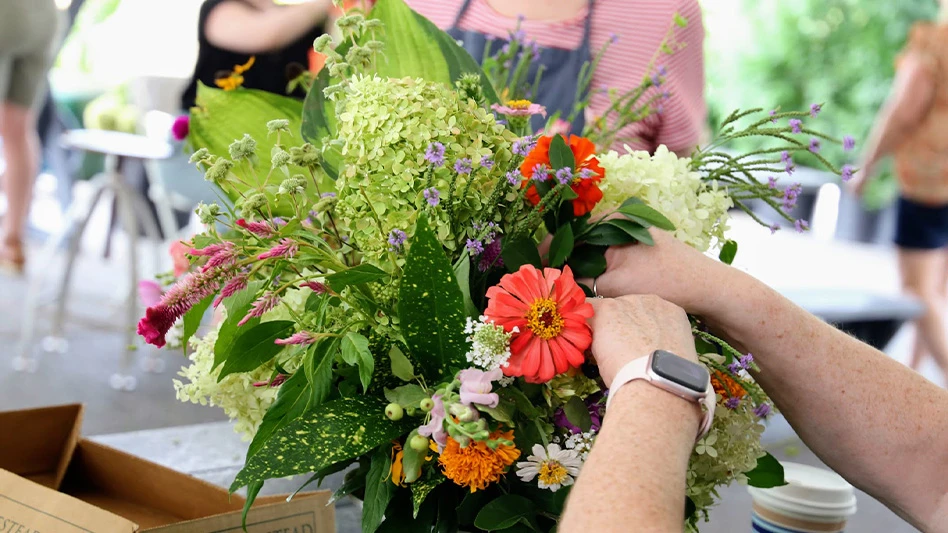
Although gardening is often a personal, solo activity, there are ways to preserve and share a moment in your garden. Foraging, or the act of creatively cutting and assembling a collection of pieces from your garden, is one way that has recently grown popular.
“When we harvest or forage from our own gardens, landscapes or natural spaces, we’re harvesting what’s blooming today, what looks gorgeous today,” says Megan McMullen, annual, perennial, houseplant and tropical buyer at Homestead Gardens with locations in Maryland and Delaware, #27 on Garden Center magazine's 2025 Top 100 Independent Garden Centers List.
“It’s a way to engage with your landscape and really notice what’s blooming at what times and what things coordinate in your garden, but also to create something to bring inside that really connects your daily life to the seasonal moment,” she adds.
Humans have foraged for our entire existence. It started as hunting and gathering to survive, but it has evolved into a carefree, creative practice.
Ellen Zachos, speaker and author of multiple books on foraging, says what captivated her was the flavor she could get from fruits, vegetables and plants in her garden that she couldn’t buy from the store. One day while she was working as a professional gardener in New York City, there was nothing interesting to eat.
“I made myself a cheese sandwich because I needed something,” she says. “One of my crew members was a forager, and she reached over and picked out a couple of leaves of garlic mustard and said, ‘Here, put this in your sandwich. It will make it better,’ and I was astonished. I had no idea, and it did make my sandwich better, and it was free, and it was right there. And that’s all it took to get me hooked.”
She began taking classes wherever she could, reading everything she could find on the topic and she eventually found that, as an author, she didn't want to write about anything else.
There is no right or wrong way to forage, but Zachos says to never eat anything unless you’re 100% sure what it is.
“If you look to your own backyard and do a little research, it’s a great way to get started because you don’t have to worry about poisonous herbicides having been sprayed on a field that you might want to be foraging in,” she says. “You know what’s been sprayed on it. You know if it’s safe.”
McMullen says foraging for flowers instead of buying them is much more sustainable, too.
“What I always talk with folks about is if you have an occasion where you want flowers on your table or to give to someone, you can buy them from a store, and they’re going to kind of always look the same,” she says. “They’re going to look beautiful, but they’re not necessarily going to be seasonally rooted … Making an arrangement and bringing it to someone … can be a way of engaging others, bringing them into your garden conversation, being able to talk about your garden to friends, family, neighbors."
Foraging workshops at IGCs
McMullen says there are techniques for harvesting from your landscape in a way that is not harmful to your plants, even allowing them to bloom healthier over time.
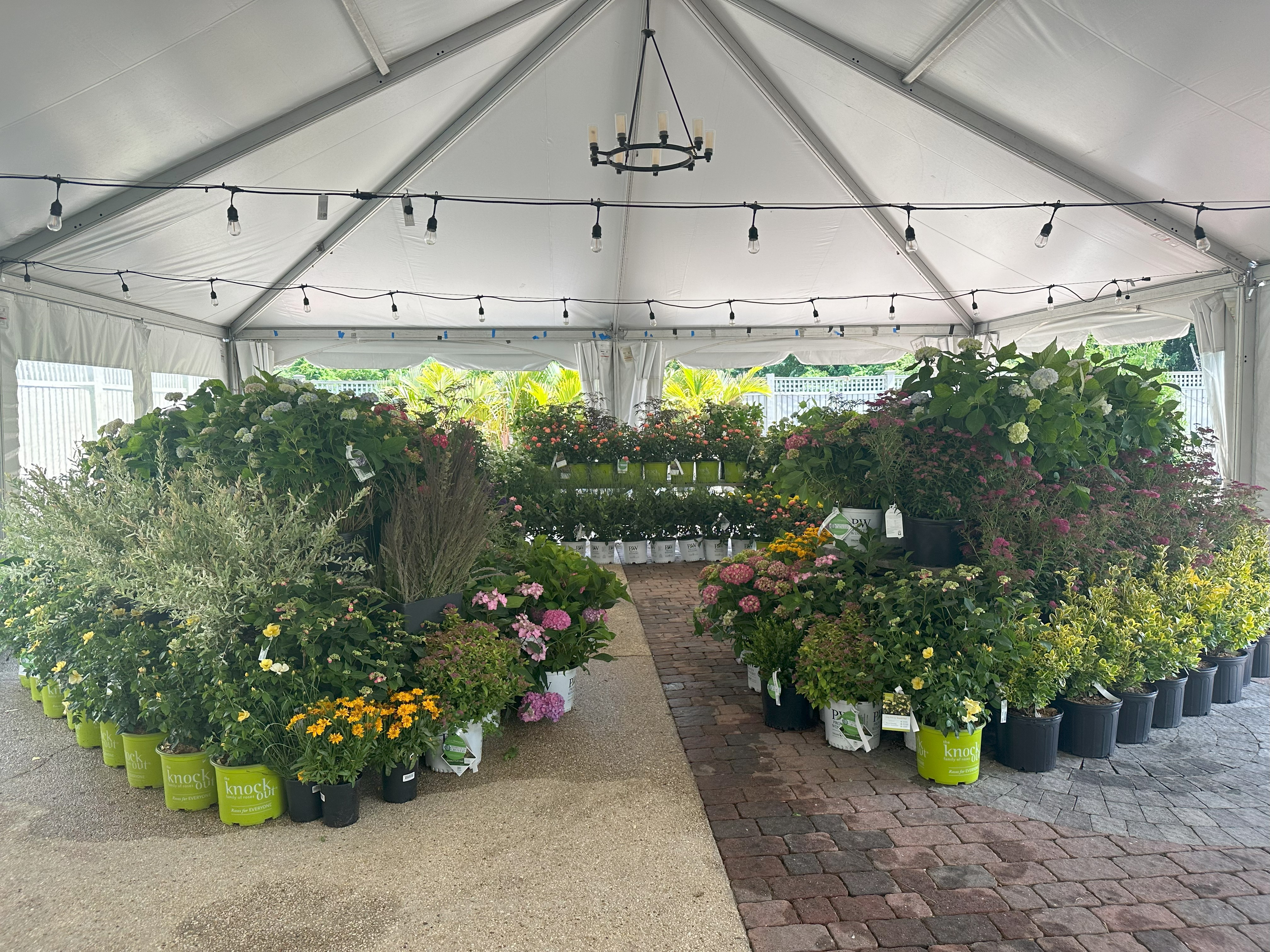
During foraging workshops, Homestead Gardens arranges locally grown material to look like a landscape so customers can get used to noticing parts of plants they may want to use in their design.
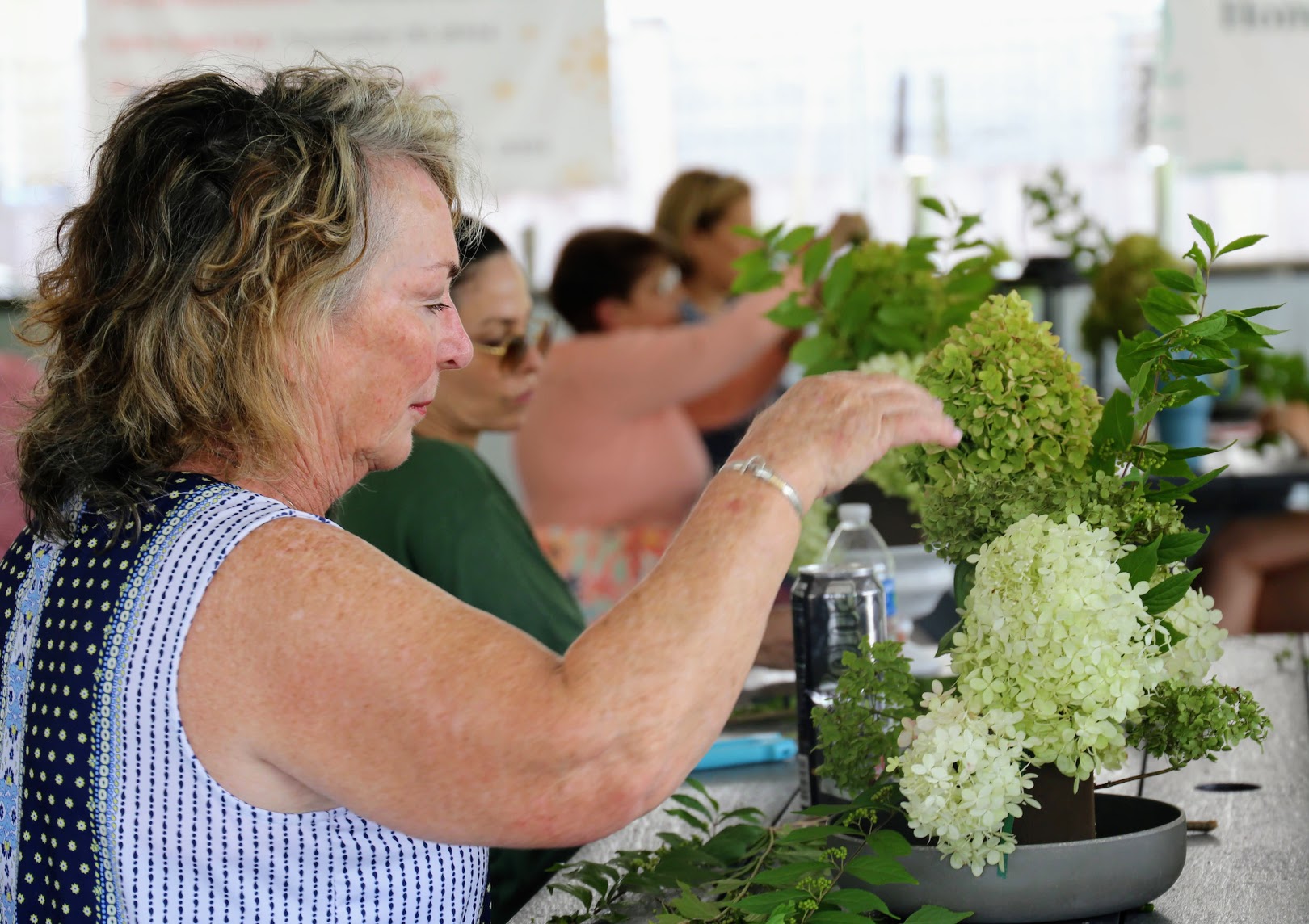
This kind of practice is taught at Homestead’s foraging workshops, which began in 2024 to provide education on the topic, which customers asked about all the time. Taught by guest florists and associates in their stores, McMullen says the goal is to provide customers with more confidence to forage from their own landscapes. They range from free to a cost of $125 for longer floral design workshops.
Homestead brings in locally grown material to use for the workshops, arranging it to look like a landscape so customers can get used to noticing parts of plants they may want to use in their design.
Often, customers who have already been foraging leave with the validation that it is a real practice with a name that other people do, giving them a sense of permission to keep going. Other times, people come in too nervous to harm their plants but leave with the knowledge and tools to do so without worry.
“Foraging from their gardens can make a customer feel really nervous,” McMullen says. “They spent money, they invested time and care in these plants and they may love them and appreciate them, but they don’t want to harm them. And so I think that’s where a garden center can really help a customer engage with their gardens, bring more joy into their gardens and interact with their gardens in a new way, and I think it’s just pure positive for a garden center to help light the excitement and enthusiasm in their customers.”
Katie Dubow, president of Garden Media Group, says foraging is a worthwhile investment for an IGC to make in a product line, along with hosting their own events and workshops. They bring people in, solidify your IGC as an expert and educator and create brand loyalty.
Homestead has leaned into the popularity of foraging, forming a partnership with Smithers-Oasis and its sustainable foraging line, Oasis Forage Products. Homestead sells these products at its stores and includes them in workshops to introduce them to customers.
Customers have deeply connected with the foraging line, McMullen says, because they are thoughtfully designed and at an accessible price point. Some of the products include Oasis Forage Foam for floral design (which makes it easier to make arranged flowers stay in place), flower food, wires, tape, foraging bags, bottles of cleaner and sterilizer for floral longevity. The hand tools that make cutting and foraging easier have been the most popular.
McMullen says garden centers should engage with their customers and meet them where their interests are, which is exactly what Homestead did with the foraging trend.
“We have this innate desire to be connected to nature, and people don’t always really know how to do that,” Dubow says. “So, if garden centers can continue to see that it’s not just about selling the plant; it’s about teaching people how to grow that plant, cut that plant and put it in a little vase next to their bed to be constantly reminded of that beauty they have outside, then I think it’s going to shape how people engage with their gardens and their garden centers for years.”
Foraging as a trend
Foraging was one of the trends in Garden Media Group’s 2025 Garden Trends Report. Dubow says the popularity developed in response to the education influencers, IGCs and brands have put out in recent years on the topic to address the lack of confidence people had foraging.
“(Foraging is) about educating our customers on how to take nature from their garden and bring it inside to experience 365 days a year,” she says. “It creates this beauty and this connection with nature that people get to have every day, not just when they are out in their garden … It brings people so much joy.”
During the COVID-19 pandemic, Zachos says that while people were looking for things to do outside, foraging emerged and has stuck around since.
And because of the push toward technology in today’s world, Dubow believes people are more intentionally connecting with nature to disconnect from the stresses of daily life. Even so, she says social media apps like Instagram and TikTok are a great source of inspiration.
“It seems to me that people want change,” Zachos says. “They want to make a difference, and whether that’s politically or agriculturally, I think they want to figure out ways to have a better life, to have a healthier life, to develop relationships with nature and with the outdoors. And I think foraging is a great way to do that.”
Lauren Cohen was an editorial intern for the GIE Media Horticulture Group in summer 2025.
Latest from Garden Center
- National Garden Bureau, All-America Selections recognize pepper breeder Terry Berke, Territorial Seed Company President Tom Johns
- Cool tech for garden retailers
- The inventive women of TPIE ’26
- 10 questions with Jonah Nelson
- Quality Horticulture to acquire Hydrofarm Canada distribution
- From Structure to Storefront: The Retail Greenhouse Features Worth Planning For
- Growing flowers to grow confidence
- Think like Disney