Suggest quaking aspen when customers ask for . . .
- A rapid-growing tree for homes with large outdoor tracts
- A tree that can tolerate a variety of soil conditions
- Something with outstanding fall color
- A tree that’s hospitable to wildlife
- A tree with interesting or unusual bark
{The story}
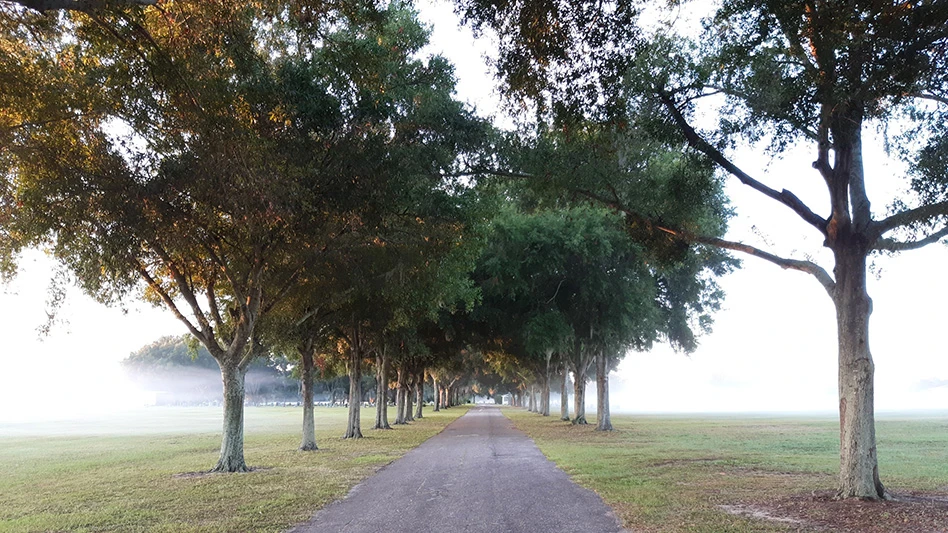
Populus tremuloides, commonly known as quaking aspen, is the most widely distributed tree in North America. It typically grows well in USDA Hardiness Zones 1-7. Quaking aspen’s common name comes from its leaves, which tend to flutter and make a soft sound in the breeze. It’s also well known for its stunning fall color. Populus tremuloides is a fast-growing tree and has been known to reach almost 40-feet tall. The tree’s bark is also notable. The thin, white to gray-green bark is almost smooth with black areas around base of limbs. Over time, it becomes grayish and deeply furrowed.
Display and marketing possibilities
- Spotlight new cultivars that offer superior disease resistance
- Make quaking aspen the topic of a children’s seminar, highlighting how it can be found in widespread, diverse regions
- In fall, display large specimens at the front of your store to draw attention to the stellar fall color
- Cross merchandise with gift products made from quaking aspen bark
- Include quaking aspen and other “rustling” plants in a “plants you can hear” display


Explore the May 2010 Issue
Check out more from this issue and find your next story to read.
Latest from Garden Center
- Jackson & Perkins expands into Canadian market
- Green & Growin’ 26 brings together North Carolina’s green industry for education, connection and growth
- Cincinnati Zoo & Botanical Garden debuting new perennial section at 2026 Breeder Showcase
- The Garden Conservancy hosting Open Days 2026
- Registration open for 2026 Perennial Plant Association National Symposium
- Monrovia's Bee a Winner program enrollment deadline approaching
- Fred C. Gloeckner Foundation Research Fund calls for 2026 research proposals
- [WATCH] The Cloud Makers inventor on how she made it rain at TPIE 2026