Photos courtesy of Ani Nersessian and Rachel Reynolds
As the old saying goes, big things come in small packages. This sentiment is especially true for garden centers and nurseries seeking greater potential from limited retail footprints.
Following a few key guidelines from industry and retail experts, owners and managers can transform small retail spaces into big revenue generators.
Make a good first impression
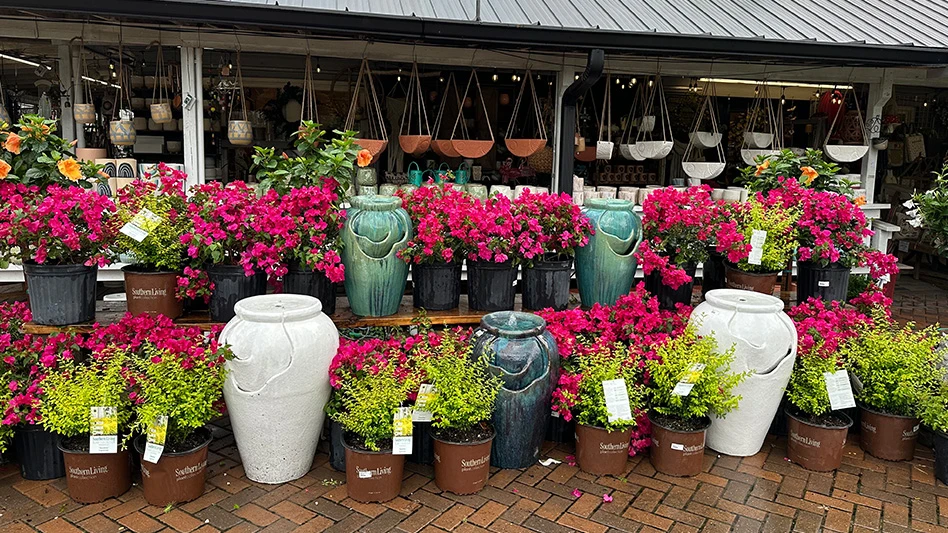
First impressions are critical. The front door is more than just an entryway for garden centers and nurseries dealing with small retail footprints. Upon entering the retail space, the front feature zone shapes the customer experience.

That means it must demand careful customer attention by highlighting timely and desirable items, says visual merchandising consultant Ani Nersessian, the owner of Toronto-based VM ID Inc. This creates a compelling reason for customers to enter and make a purchase.
“This prime location should be dedicated to showcasing the newest arrivals, or (items) with the most relevant meaning for them to purchase this week or this month, rather than showing the things that they could have all year because then there's no urgency to walk in," Nersessian says.
To avoid overwhelming and confusing customers, entry displays should serve as navigational cues, subtly directing customer flow farther into the retail space, says horticulture industry consultant Rachel Reynolds, the owner of Houston-based Rachel Reynolds Dreamscapes.
The retail entrance also presents a prime opportunity for immediate sales.

Reynolds points out the effectiveness of placing visually appealing, readily desirable items front and center. Impulse-driven purchasing can significantly impact sales figures for a small retail space.
"Put your blooming products somewhere like on your main aisle or your entry,” Reynolds says. “That's an easy sale because they don't even remember that they came in for basil. Now, they have a geranium in their cart."
Conversely, essential but less visually striking items can be strategically placed farther into the retail space, drawing customers further through different buying zones, Reynolds adds.
Flex the power of minor adjustments
Small retail spaces are nuanced, involving factors like limited square footage, specific target audiences and the need to maximize every inch of space. Therefore, they demand dynamic presentation of their items to attract greater attention, showcase value and encourage sales, says Reynolds.
“What matters the most is that you're constantly changing and rotating everything,” she says. “Especially if you have regulars, because they're going to notice, and they're going to start ignoring your product if it's the same every time they come in."
Creating a sense of constant evolution within a small retail space — even subtle alterations — keeps inventory fresh and engaging for returning customers, she says. Even shifting products or switching up the display table can yield a significant impact. In fact, she believes small spaces are more receptive to these small yet impactful changes.
“If it's a small space, it's a lot easier to touch things up,” Reynolds explains. “If something's been chopped down, just go over there, take 30 seconds and reallocate stuff...shift it around. And if something isn’t selling, go over and mess with it. Pick it up and move it around. Suddenly, people are interested in what I'm doing, and they're like: Oh, what’s going on? Is this new?”
Employ storytelling
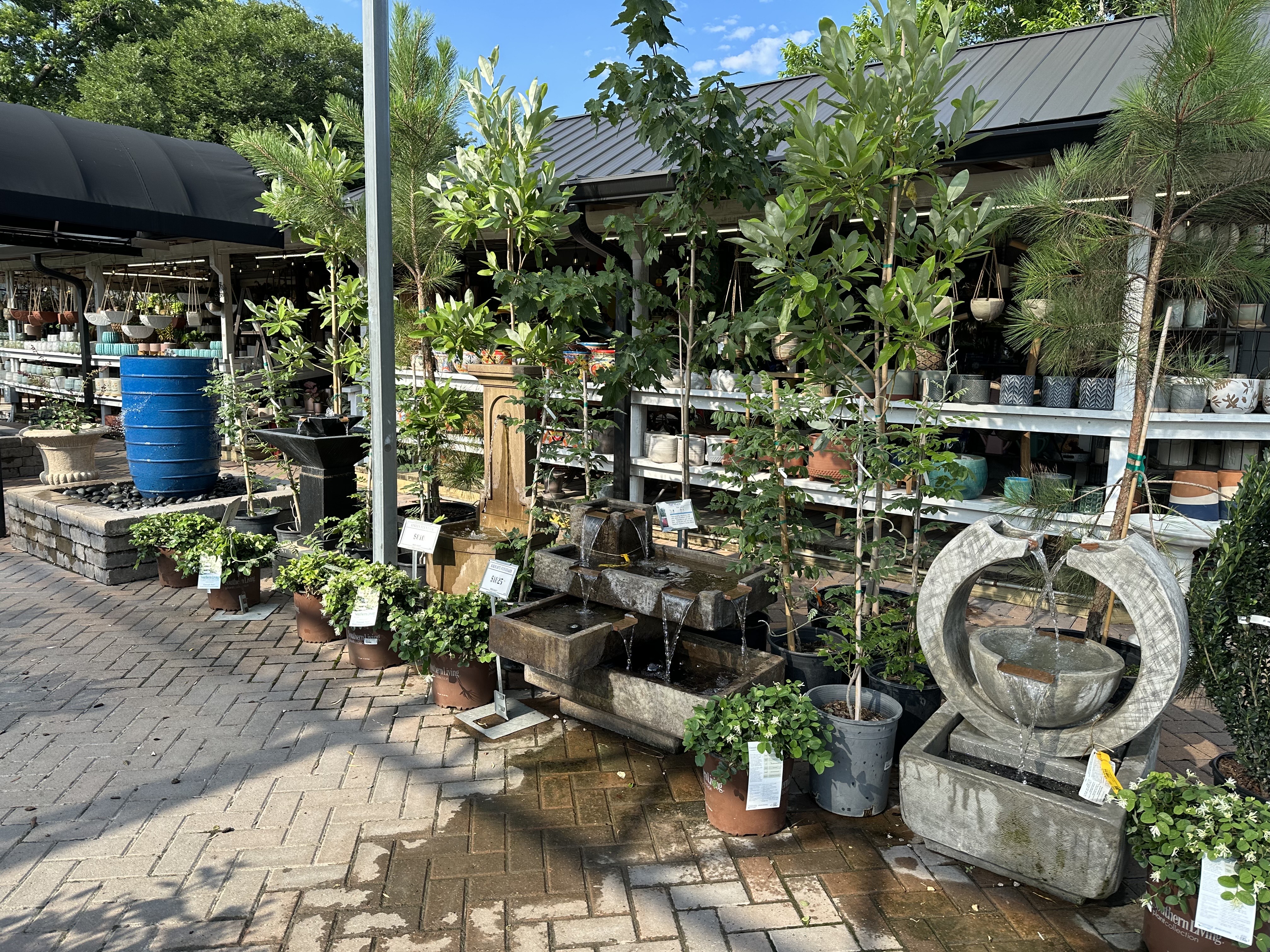
Reynolds suggests garden centers adopt thematic grouping: creating "stories" within a product arrangement.
Effective merchandising transcends mere product placement. Instead, Reynolds believes it's about crafting immersive experiences that captivate customers.
The essence lies in transforming static arrangements into dynamic narratives and evocative snapshots that resonate with interested buyers.
Reynolds considers the typical orchid display: orchids, air plants, pots and potting mix. While these essentials are a good starting point, truly engaging the customer requires elevating the presentation.
“You’re trying to pull the customer in with the display,” she says. “So, you have all of the basic components but arrange them at different heights. Maybe you have some hanging orchids coming down from the ceiling. You’ve got various potted orchids layered into the display. This will give you depth and visual interest. It’ll draw in the eye of the customer and invite them in for closer inspection.”
The ultimate goal is to foster a sense of personal connection and aspiration with customers, Reynold says.
“You want to literally pull customers in to your display. You want them to think, 'Oh my gosh. I like this. I could recreate this moment or this story in my own house if I just buy these items.'”
By showcasing the components in an artful and relatable context, Reynolds says the display empowers customers to imagine the possibilities within their own homes, transforming a collection of items in a small retail space into a grand tangible vision that motivates the customer to purchase.
Go vertical
Optimizing a compact retail environment demands efficient use of every inch of floor space. However, Nersessian warns this doesn’t mean overstocking, which congests small spaces and only succeeds at overwhelming customers.
Instead, Nersessian emphasizes the often-overlooked potential of vertical space.
“It's very common with small spaces that owners tend to forget about the vertical opportunities," she says. “Is there any wall space that you can add something to create more surface space to alleviate the congestion of your products? Or do you have opportunities for a ceiling hang, to add floating shelves or a (vertical) display? Especially with garden centers and nurseries, there's probably a lot of greenery that you can hang from the ceiling."
By maximizing wall and overhead areas, owners and managers can create more display options without the risk of crowding or tightening retail walking paths for clients.
Nersessian advises a more strategic utilization of existing horizontal displays to add to the sense of available space. For example, consider utilizing the space underneath a display table with a cubby system that can hold multiples of the same item.
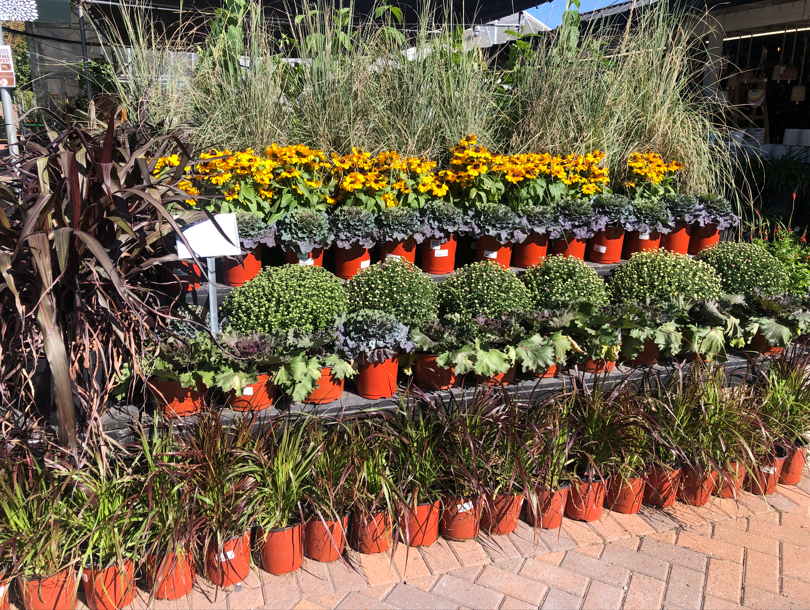
Alternatively, Nersessian proposes using nesting tables or risers to provide customers with extra retail space that doesn’t feel bulky or abundant. These subtle additions and additional display levels create visual interest without significantly impacting the limited floor space.
"A nesting table below on either side of (a display) table, so you're not taking up too much more floor space, but you are adding to surfaces,” she says. “Adding risers to tables creates one more vertical pop with more dimension that also creates more (surface) space."
A mindset to move
Successfully operating within the confines of a small retail space requires owners and managers to engage in a delicate balancing act between stocking items with immediate appeal to ensure swift sales without overwhelming them at the point of purchase, says Erik Dietl-Friedli, a partner with Garden Center Consultants, which provides garden centers with coaching on strategic planning, trend forecasting and operational efficiency.
“In a small space, you cannot be encyclopedic,” he says. “You can't have everything sorted. You just don't have the room for it. So, you have to offer (customers) basically the best of the best."
Dietl-Friedli suggests space-constrained garden centers must showcase top-tier products with a broad appeal to their core customer base.
However, he cautions garden centers from mirroring what can be easily purchased at the local big-box retailer.
The goal with a small space is to entice customers without causing hesitation in their purchasing decisions, because contemplation impedes the rapid product turnover critical for a small business, Dietl-Friedli adds.
“Big box is pretty good at generic,” he says. “So, you want to pepper in items that are very interesting and unique to your space. They come in and think, ‘Oh, this is beautiful; I’ve never seen this before,’ and they have to have it.”
Mike Zawacki is a Cleveland-based journalist and frequent contributor to the GIE Media Horticulture Group who has covered various aspects of the green, horticultural, sports turf and irrigation industries for the last 20 years.
Latest from Garden Center
- National Garden Bureau, All-America Selections recognize pepper breeder Terry Berke, Territorial Seed Company President Tom Johns
- Cool tech for garden retailers
- The inventive women of TPIE ’26
- 10 questions with Jonah Nelson
- Quality Horticulture to acquire Hydrofarm Canada distribution
- From Structure to Storefront: The Retail Greenhouse Features Worth Planning For
- Growing flowers to grow confidence
- Think like Disney