Any way you look at it, 2025 was defined by global economic uncertainty. Although more than half a decade has passed since 2020’s pandemic shutdowns, their impact still shapes business decisions everywhere. Independent garden centers, often family-owned and deeply rooted in their communities, have faced unique challenges and opportunities in recent years.
To learn more about what uncertainties have meant for IGCs across our industry, Garden Center checked in with three geographically distinct IGCs for their State of the Industry perspectives going into 2026.
Gardener’s Outpost: Columbia, South Carolina
Owners Carol and Randall Isherwood launched their first Columbia, South Carolina, garden center with a very specific premise in mind.
“We were in the green industry, but it just didn’t feel very green,” Carol recalls. “So, we wanted to do it different.”
Their “different” approach has been key to how they’ve responded to economic uncertainty to date.
Their first location, a boutique IGC on Woodrow Street in Columbia’s Old Shandon district, launched in 2012 with a focus embracing organics, sustainability, native plants and native cultivars — and a desire to grow slowly and intentionally. The business thrived and developed a loyal customer base.
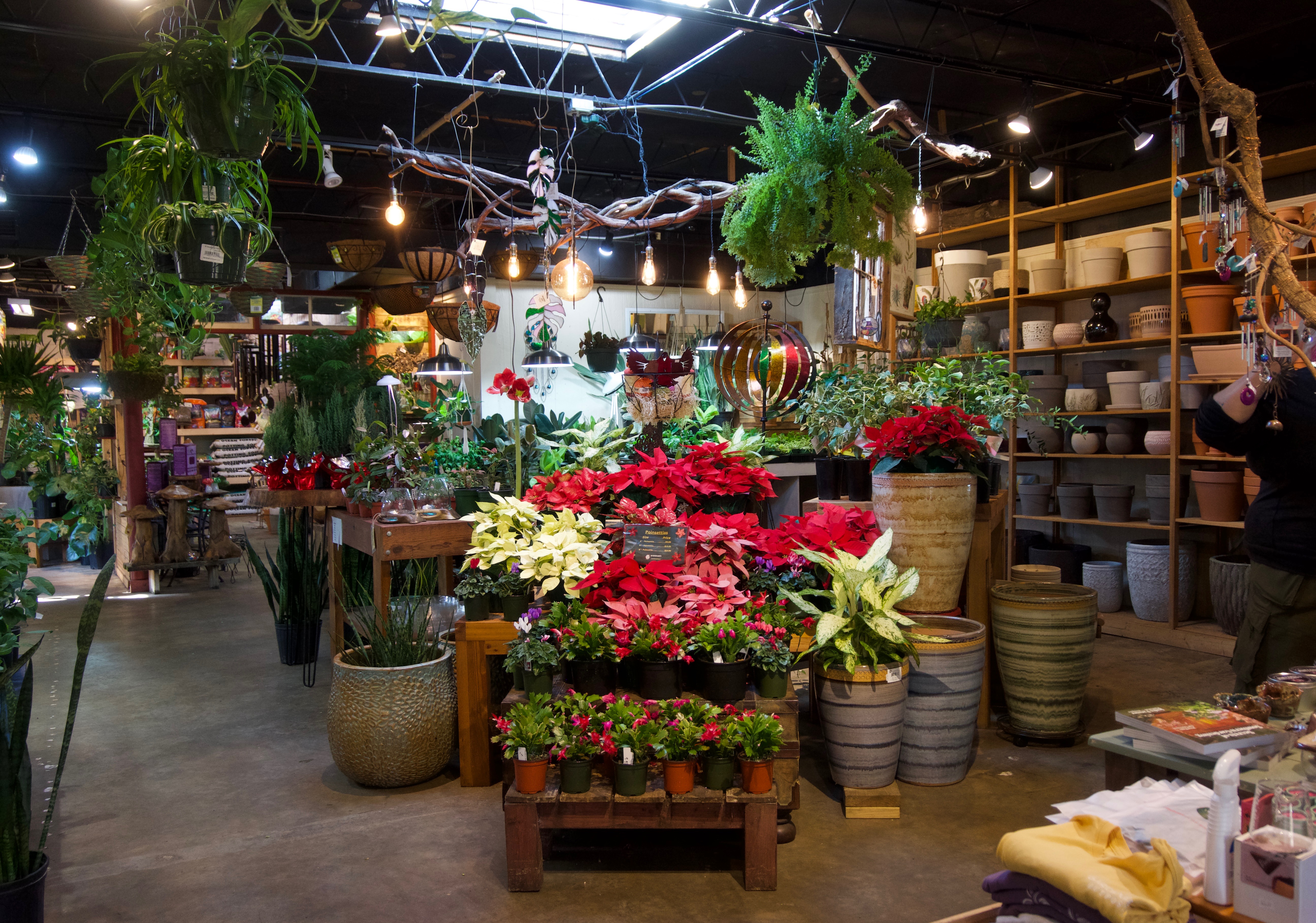
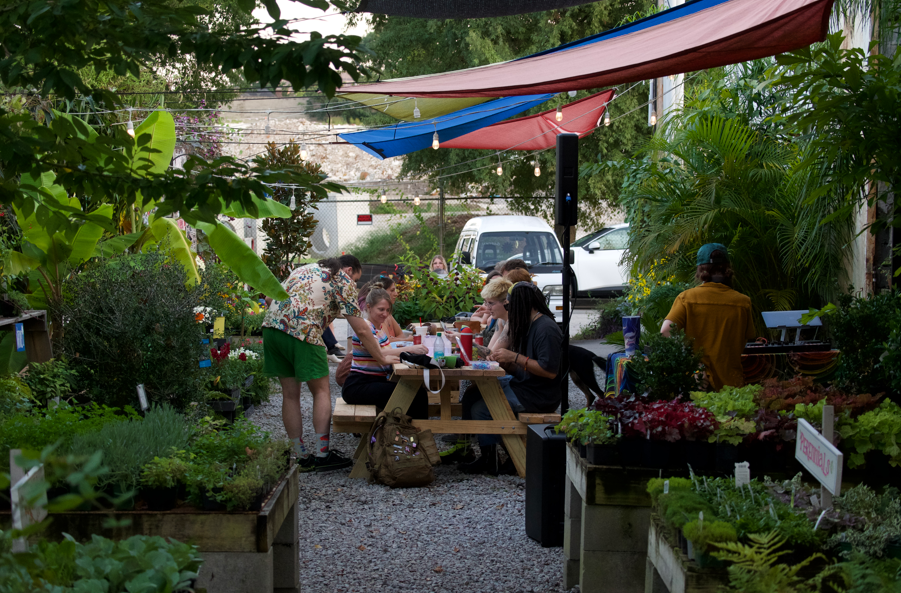
Unable to expand at the landlocked location, they reinvested their profits and opened a second, larger location four years ago. Located in the Cottontown neighborhood, the Franklin Street site retains the same environmentally friendly focus but offers much more, including a wine and beer bar where customers linger and socialize, blending community, horticulture and hospitality.
Gardener’s Outpost also operates an off-site greenhouse where the business grows some select specimens, such as Japanese maple and carnivorous offerings like Venus flytrap, sundews and pitcher plants. They also grow many 4-inch tropicals there, which strengthens their ability to hold prices while providing the inventory customers want.
Maintaining profit margins and prices
For Carol and Randall, being able to keep their profit margins without increasing prices was integral to their strategy for navigating economic uncertainty.
“We’ve been generally trying not to increase price, because we know everybody, especially right now, is having economic issues. We’re just trying to find more effective ways to use our dollars to make our customers’ dollars more effective,” Randall explains.
For certain items, like glazed pottery sourced only from outside the United States, freight charges required some price increases, but not much. On other items, the pair worked with multiple vendors and leveraged larger orders to get better pricing.
When post-COVID supply chain issues made in-demand 4-inch tropicals difficult to source, Gardener’s Outpost was proactive. “We got in contact with more vendors and built more vendor relationships that helped smooth out the supply side,” Randall shares.
Then, they started ordering larger quantities and increased their growing to ensure greenhouse inventory.
Building loyalty through community and focus
While the Isherwoods’ sourcing strategies allowed the business to maintain margins, their marketing and relationships with a loyal customer base focused on functional gardening — plants as investments rather than luxuries — have also been essential to success.
In general, the IGC has seen less interest in annuals and more interest (and marketing on their part) in perennials, trees and shrubs. Natives and nativars, ecosystems welcoming beneficial insects, and companion plantings as well as pollinators have all stayed in demand.
The company invests a lot of energy in events designed to build loyalty and community. These range from live music and comedy nights to “Ask the Gardener Happy Hours” at the Franklin location’s wine and beer bar.
“It's a seasonal business, but we spend a lot of time bringing people in on the off season. They may not spend as much, but you certainly do gain a loyal customer base by having a reason for customers to come through, even on that off season — because they're going to come back in the on season,” Carol says.
Managing inflation, operational expenses and labor
Carol and Randall share that October and November were ”not the best” months. But, Carol adds, “Really what we’ve noticed is that people are still spending money. They just want to see the value. They just want a quality product.”
Fixed operational costs haven’t been a problem — yet. The location of both stores in economic growth areas has helped renegotiation of fixed expenses such as rent. Non-fixed expenses, including greenhouse heating, haven’t been an issue, either. That said, they’re bracing themselves for possible operational cost increases in 2026.
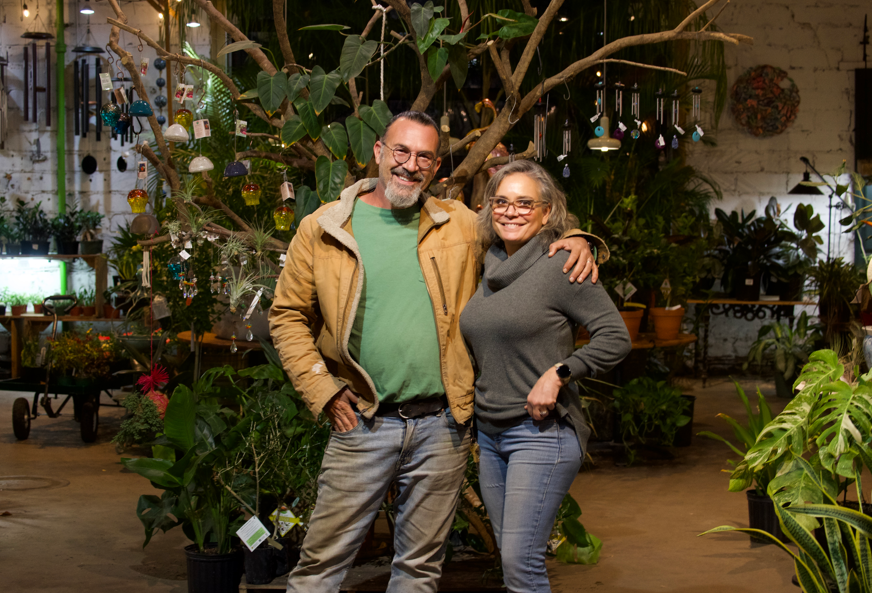
Labor costs have increased deliberately. They’ve added more full-time employees, rather than seasonal and part-time, and invested heavily in training and expanding employees' skill sets.
“We did that intentionally,” Randall says. “We ended up paying our employees more. The more they knew, the more they learned, the more they were able to be paid.”
Staffing for the stores has not been an issue for the IGC. Hiring for more labor-intensive, physically demanding positions for their landscaping/private gardening arm has been less easy, but still not difficult.
Reflecting on 2025 and anticipating 2026
Carol’s final takeaway sums up 2025: “It’s been a good year for us, other than October and November.”
With those two months fresh in mind, they’ve refined their 2026 budget, but they still expect another good, solid year very similar to 2025 overall.
“People are still out shopping, spending money, but they just want to make sure that they're getting the value that they perceive from the dollar they're spending,” Carol adds.
If Gardener’s Outpost sees their numbers going up significantly, they’re small enough and nimble enough to switch gears and capitalize on the shift by doing something “different” again.
Luis’ Nursery: Visalia, California
When General Manager Larry Espinoza joined the team at Luis’ Nursery about 15 years ago, the wholesale-oriented business had a small retail arm. A former financial adviser (and son-in-law of owner Luis Gonzalez), Larry had been helping Luis on weekends.
“I fell for the place, even though I didn’t know anything about plants,” he recalls.
What he lacked in horticultural savvy, he made up for in business acumen.
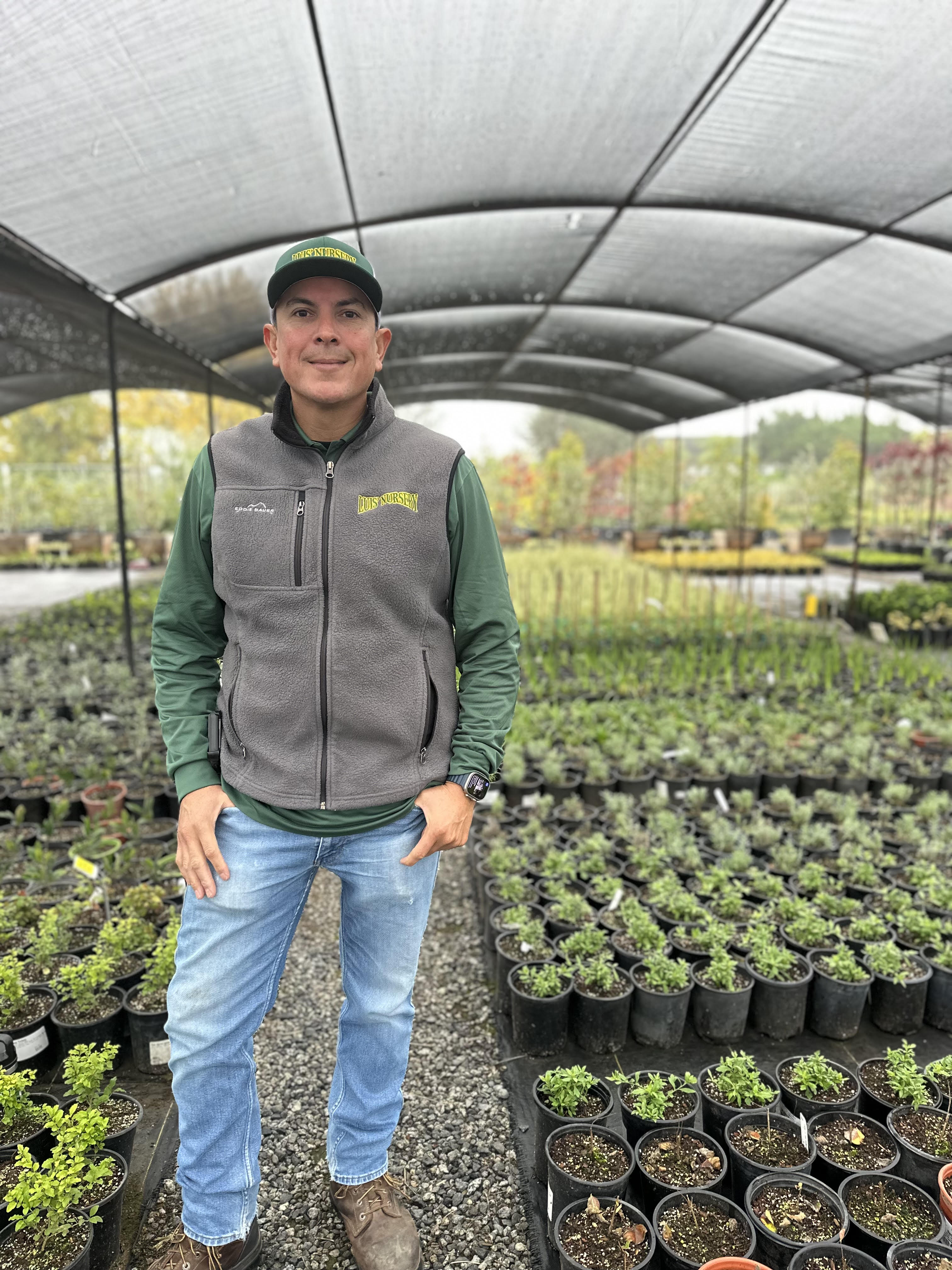
Early on, Larry identified diversification as a key strategy for managing economic uncertainty and ensuring a profitable future for the IGC. In those days, Luis’ Nursery was a wholesale grower, open to the public, that focused on large quantities of select products, not variety.
Today, the grower-retailer is heavily retail-focused and grows more than 55% of all its retail green goods sold. That’s nearly three times what it was when Larry started with the now-Top 100 IGC. Diversification of revenue streams and a vast product lineup have been primary factors in the company’s success and its approach to managing economic uncertainty.
Strengthening resilience with variety and new revenue streams
“What we’re doing now is really a reflection of the past,” Larry says, looking far beyond the recent years.
For the Central Valley business, the 2008 recession came hand-in-hand with major drought, which stuck around. It was tough times, even for thriving businesses.
“Coming from an investment background, I just started looking at the nursery industry through a different lens, because I didn’t have any preconceived notions, “he says. “I didn’t have any habits. I didn’t know what the old ways were, so I just came in with my ways, which had a lot to do with diversification. Economic uncertainty and water shortages framed my new business plans.”
The new plans for the business focused not just on diversification. Perhaps more importantly, they emphasized growing and offering what people want — and taking control of that supply chain.
“Having plants are my big thing,” Larry says. “If you don't have what people want when they're actually at your business, it's a double loss, because they're going to go somewhere else, and what if they don't want to come back? It's essential to have the product that people want, or at least something that's related to what they want, and make sure it's available.”
Like everyone in the industry, product shortages hit the IGC in full force during the pandemic. The experience informed Larry’s strategies, triggering a significant increase in both the volume and the variety of plants Luis’ Nursery grows.
Looking inward for answers on inflation pressures
Without question, the pandemic amplified inflation. Low supply and high demand translated to higher prices all around. That made sense to Larry. What didn’t make sense was why prices kept rising after the pandemic passed.
“I felt like we were pricing ourselves out of the market,” he recalls.
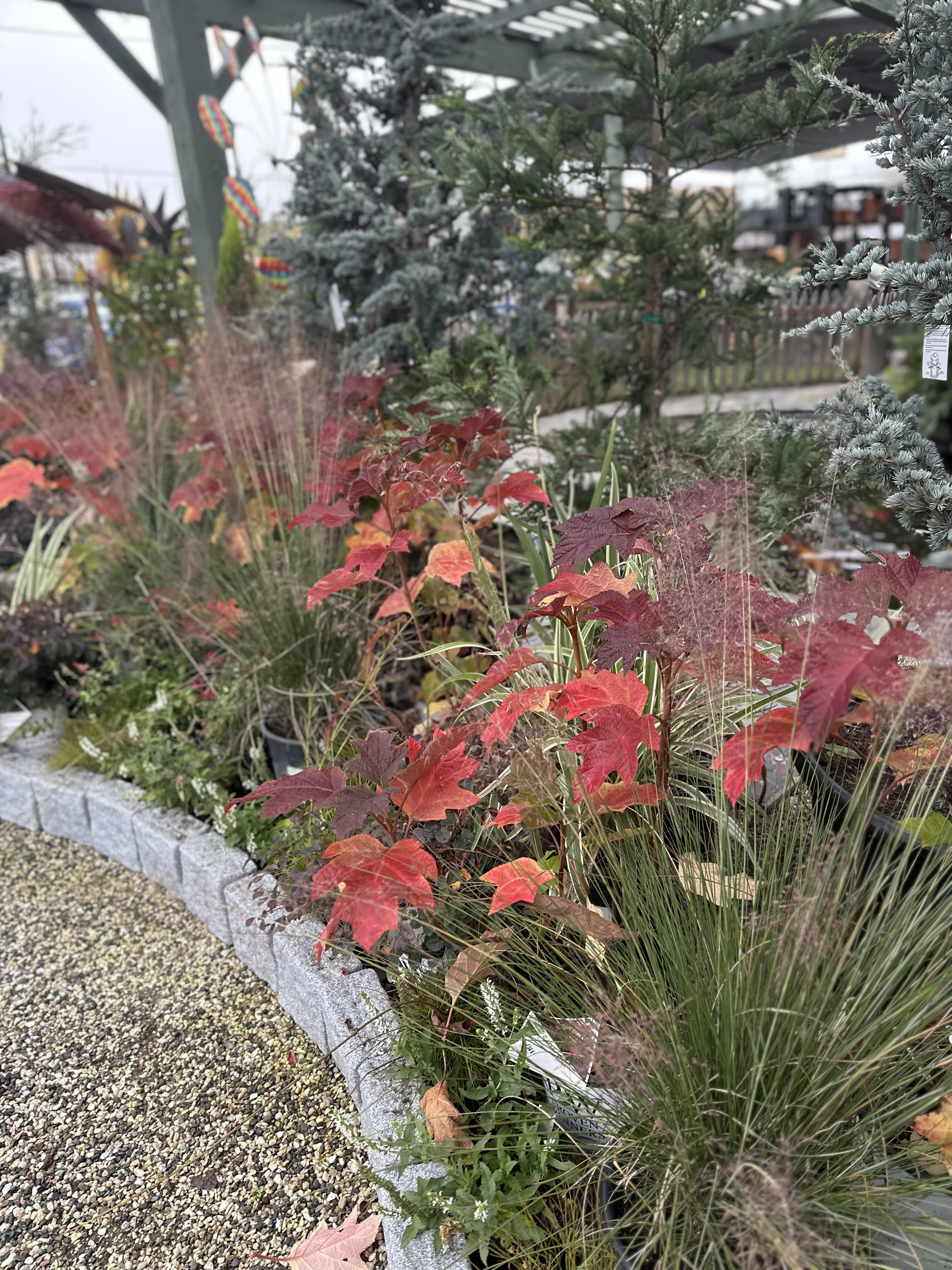
During Cultivate’23, Larry heard a speaker advise hort businesses to raise prices significantly or fall behind. That didn’t sit well with him; the IGC’s very loyal, multi-generational customer base was already pinched. So, he looked for other answers, starting with his balance sheets.
A “glaring hole“ in Cost of Goods Sold (COGS) jumped out at him.
“It was way too high,” he says.
He formulated a new business plan aimed at changing those balance sheets, which laid the foundation for how the business deals with uncertainties faced today.
The biggest change was simple: The IGC began growing more of its own product. Three equally simple “abilities” drove that choice: the ability to control timing and availability of a product, the ability to control both their own costs and their customers, and the ability to control quality.
The IGC’s changes in growing going into 2024 had a dramatic impact.
“We had higher gross sales in 2023 as compared to 2024, but it was much more profitable in 2024,” Larry says. “As we know in our industry, when you’re growing, one year is usually not enough time, but it made that big of an impact.”
Managing operational and labor costs
Operational costs have proven to be one of the IGC’s most challenging areas — specifically insurance. Many insurance companies are leaving California or aren’t writing new business, Larry shares.
Last year, the company’s commercial auto policies were canceled. Next up was its property and liability insurance. Replacement policies came at double the cost. This year, its workers’ comp carrier renewed the policy, but rates went up.
“Of course, we have the other things we're all dealing with, like the cost of fuel, putting our trucks on the road and energy costs,” Larry says. “Again, I can't grow everything, and I'm not growing hard goods, so the cost of goods have gone up. So, the operational costs have been challenging.”
Labor is one area that hasn’t been challenging for Luis’ Nursery. Does it pay more than other businesses? Yes, but Larry’s fine with that: “If you care about people, you take care of them, and I care about all of our employees. I've had no issues with retaining people. They know they're appreciated, and they're compensated accordingly.”
With low turnover, hiring doesn’t happen often. When it does, new employees usually come through existing employees — either friends or family members. Larry also serves on the horticulture advisory board of a local community college, and young hires often come through that program. The business works to keep people on staff year-round, using downtime to invest in training.
“Labor has been the steadiest of all. It’s been pretty cool, actually,” he adds.
Reflecting on 2025 and predicting more of the same
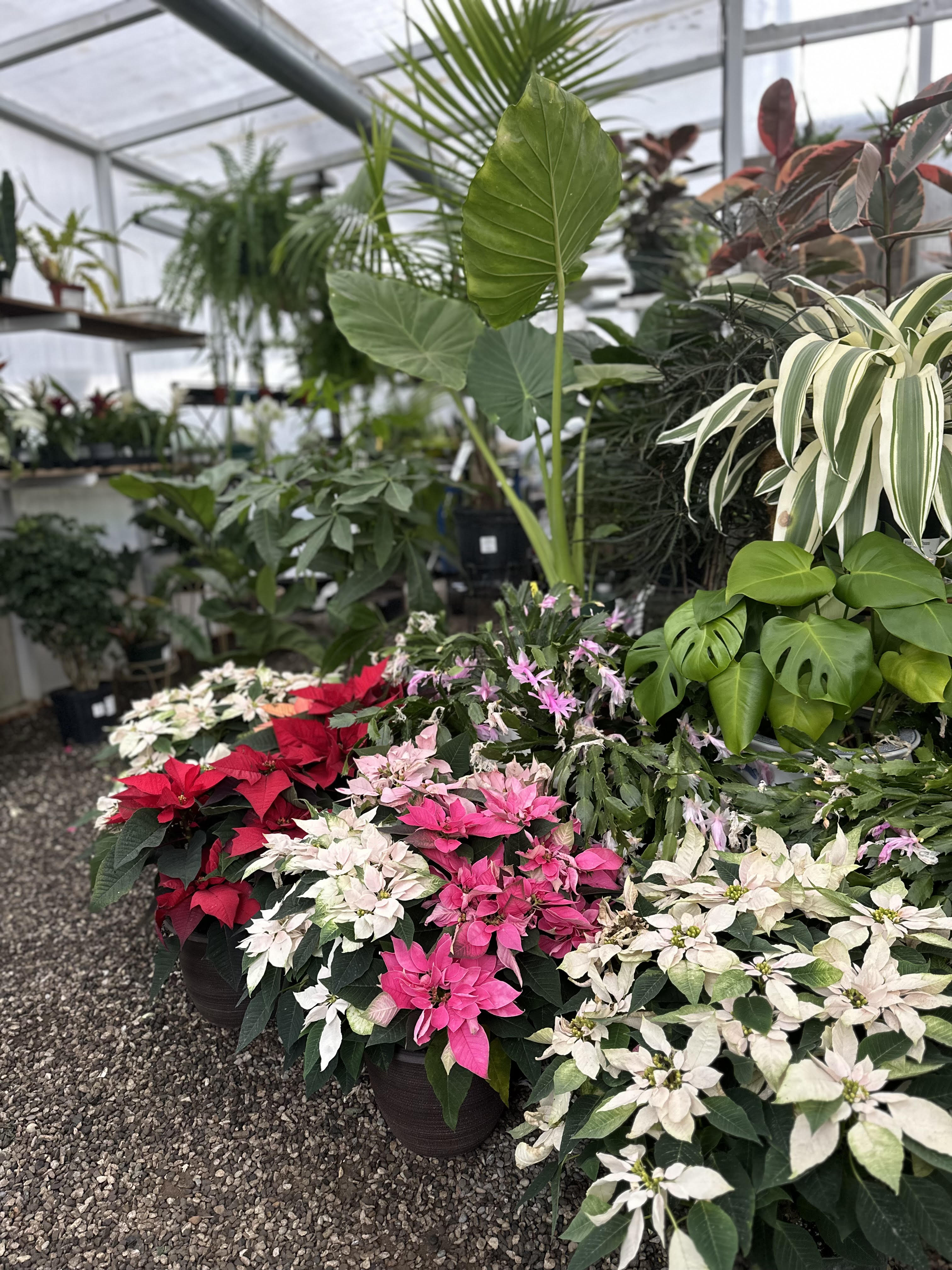
Though he hasn’t fully analyzed 2025, Larry says gross sales for the year were definitely up “by a pretty healthy margin.” But he also notes that both walk-in traffic and average ticket sales were down.
“Yes, walk-in traffic retail is our bread and butter; that’s where we make our money,” Larrys says.
But last year, he started asking, “What else can we do? What kind of other business can we attract?”
He looked to other aspects of the business, such as landscaping and commercial work. The extra attention in those areas helped push sales up, despite the drop in retail walk-in and average tickets. Many commercial projects are now slated to happen in the coming year.
For 2026, Larry predicts more of the same for the IGC. It won’t be growing a lot more volume, but there will be more varieties. He’ll keep thinking outside the box, paying close attention to what customers want.
“I don't expect walk-in traffic to go up. I don't expect average ticket sales to go up. There's too much going on with the things that we've already talked about,” he says. “I don't see anything getting better, but I also don't expect it to get worse. If I can have something similar to (2025), well, I'll be OK with that.”
Scenic Roots Garden Center: East Sandwich, Massachusetts
Celebrating 40 years in 2026, Scenic Roots Garden Center enjoys geographical benefits other IGCs may envy. Owned by Donna Kutil Ross and her brother, Jeff Kutil, the second-generation business sits on Cape Cod, where a swell of second-homeowners that hits The Cape around the Fourth of July fuels an extended season.
As IGCs elsewhere wind down, Scenic Roots sells annuals, hanging baskets, vegetables and herbs through July. About 85% of sales are garden/nursery plants, with the balance in ancillaries like mulch and soil. A farmstand, picked up when COVID closed the area’s century-old farmstand, runs June through November. A brand-new floral department came in 2025, when the town’s last florist retired.
Having roots both “scenic” and extended has allowed the IGC to navigate these with little uncertainty — economic or otherwise.
“We’re just naturally progressing with these wonderful opportunities, basically waiting people out and picking it up as it comes,” Donna says. “I tell people that's growing your business organically. I know that sounds cliche, but it's just the natural progression of staying in business that long.”
Building and leveraging grower relationships
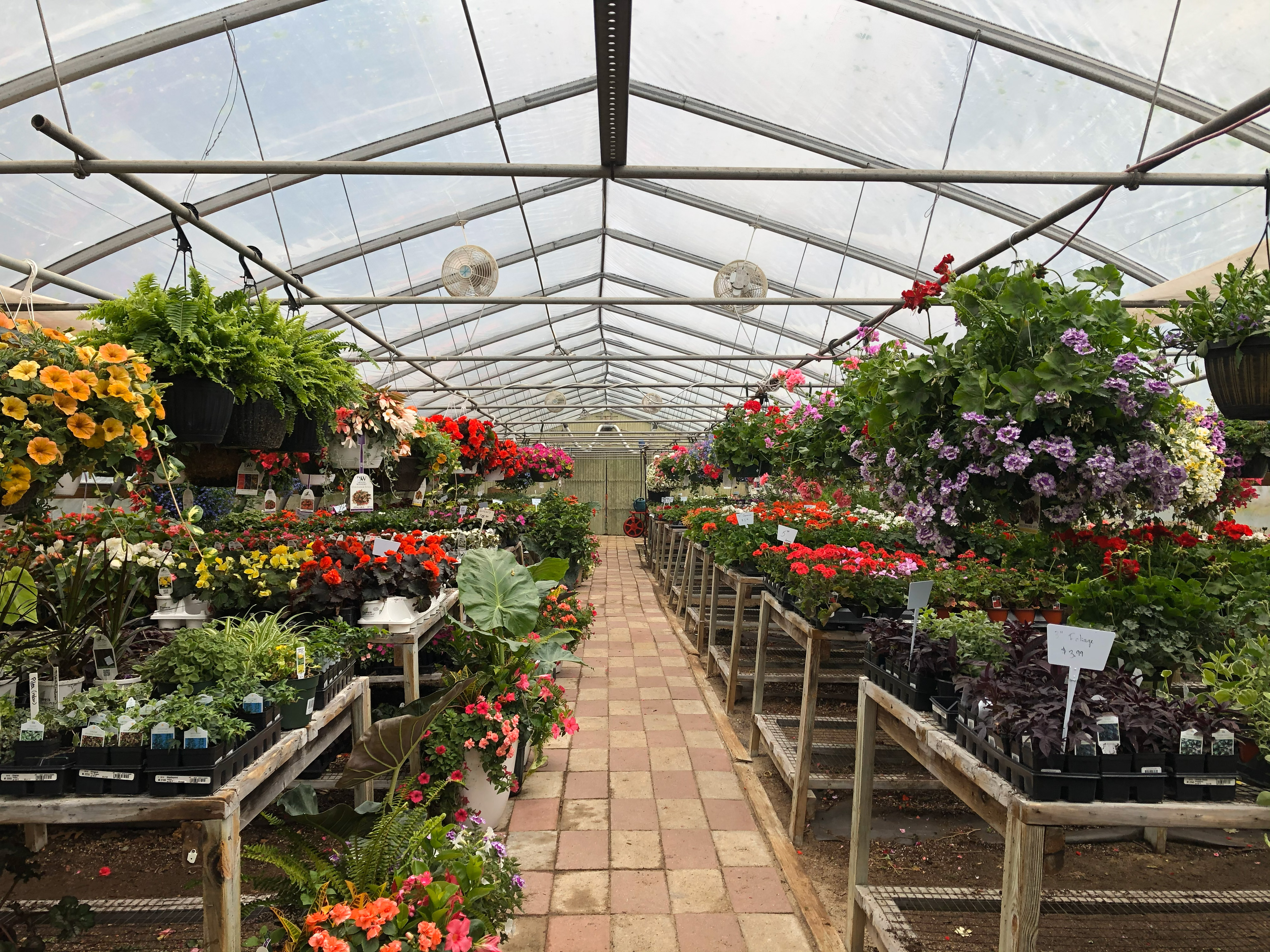
When Donna’s parents ran the business, growing plants was a larger part of the plan. Today, other than a few herbs and select varieties, the IGC looks to other growers to supply plants for the 1.25-acre business.
“We're in another great position where a lot of other garden centers aren't; we have a ton of growers around us,” Donna explains. “I can get any product I want — biweekly, weekly, every two weeks — so there's no need for us to grow anymore.”
The mutually beneficial relationships have growers bringing new product every week.
“I work with my growers that are local to me, and I have them special order and grow specific things for me, so I don’t have to,” Donna says. “New England has a lot of greenhouses, so I fostered these relationships with these growers.“
During COVID, there were no plant shortages at Scenic Roots. When growers were nervous and thought about cutting back, Donna contacted growers and said, “We want more! Do not cut our orders!” The move helped calm growers’ fears and kept them growing — even adding extras on.
Now when her growers need help moving product, she’s there to help pick up the slack. And when she needs a special order or pre-orders she can count on guaranteed, her growers are there to meet that need.
Marketing excitement, connection and continuity
Creative, strategic marketing designed to elicit excitement and loyalty has been an integral part of Scenic Roots’ response to economic uncertainty in the population at large. Social media and educational videos are key components in that plan.
“What we’ve been doing the last couple of years, and (in 2025) especially, is really leaning into using Instagram and Facebook and YouTube in creating videos,” she shares. “We're trying to be more education-forward, putting ourselves out there and really trying to be a part of their lives, staying relevant with people.”
Being a part of the community is a big part of that relevance.
“For 20 years, I have been an avid volunteer and very heavily involved in my Sandwich Chamber of Commerce and the retail division of that chamber,” Donna says. “We host a lot of artist pop-ups in our store, and my team is out volunteering with other charities and organizations. I really feel that being a part of your community, and being out and about and being seen, people want to give back to you because they see the amount of work that you give to your town.”
Staying relevant also means understanding what your audience and customer base is going through, including economic uncertainties and the role the garden center industry can play.
“When people are unsure and when they're stressed, or obviously through COVID, they lean in towards their home,” Donna says. “We've seen this time and time again, where we say the garden industry is like pandemic-proof and economic-proof, because people will still continue to better their yards and further their habits and make themselves feel better.”
Responding to operational and labor costs with strategic optimism
As operational costs have risen, Scenic Roots has raised prices.
“Freight continues to rise, fuel continues to rise, insurance continues to rise, electricity continues to rise,” Donna says. “As much as we can, we try to keep that away from the customer. But we put it into the price of the plant.”
The increase wasn’t an across-the-board percentage.
“I like even numbers,” Donna says.
So, perennials went up an average of one dollar; shrubs went up five to 10 dollars. Did customers seem to notice or care? With few exceptions, no.
“For us, people were buying, and they really weren’t blinking an eye,” she adds.
Labor hasn’t troubled Scenic, either.
“We give them what they want,” Donna says.
The Massachusetts minimum wage is currently $15 per hour, but Scenic Roots starts everyone at $20 per hour or more.
“I feel we’re at the higher end for a lot of small businesses, but we expect a lot, and they do a lot,” she explains.
Employees are not full-time. Like many IGCs, January through March means layoffs. But the business has a waiting list of people who want to work there. One goal behind the farmstand and floral department is creating more job security and keeping employees longer each season.
Looking back on 2025 and forward to 2026
Donna described the closing year as personally challenging, yet successful on many levels. Spring started out slow, thanks to economic concerns and weather, and she lost a key employee who moved away and made her own workload heavier.
But when peak season arrived — Memorial Day on Cape Cod — everything leveled up.
“As far as customers and sales and weather, we had a great year. A great, great year. It was fun,” Donna says.
Now she’s training employees to step into more managerial positions and take some responsibilities off her shoulders. Building the farmstand business and expanding into floral are highlights, too.
For 2026, she’s full of optimism.
“I am still expecting new customers to find us. I'm expecting a lot of new growth as far as our business, and I plan to invest some more money into this business to continue to expand what we're doing. And I expect to hire a few more kickass employees,” she says.
High on the list is someone to take over marketing, which she loves, but doesn’t have enough time to do.
For IGCs struggling with current uncertainties, she shares these thoughts: “Because we're still all doing what we love and we're passionate about it, we have to continue to lean into that and trust ourselves. You go back to COVID and how nervous people were and how scared they were, but those of us who really trusted what we do and believed in what we do, those are the ones of us that really continued to grow our business through those times — and the same goes with what’s happening now.”
Latest from Garden Center
- Atlas Greenhouse acquires Stuppy Greenhouse
- Proven Winners partners with Pure Line Seeds to offer vegetable plants
- Oasis Grower Solutions launches retail Oasis RhizoPlug Sheet Propagation Kit
- Oasis Grower Solutions launches Oasis Eleganz Liquid Leaf Clean, Shine and Protect
- NASDA Foundation welcomes agriculture students into 'Next Gen' 2026 cohort
- Green & Growin’ 26 brings together North Carolina’s green industry for education, connection
- [WATCH] Taking root: The green industry’s guide to successful internships
- [WATCH] Spring Rush Ready: Smarter POS to Support Seasonal Demand