Rumblings in the horticulture industry were quieted last year with news of a new plant brand from Must Have Perennials.
Aptly named Rare Life Plants, the new brand answered industry concerns about the future of the plant collections at Juniper Level Botanic Garden and Plant Delights Nursery, both founded by plantsman Tony Avent decades ago.
Now 68 years old, Avent has no specific retirement plans. Yet, his intention to retire one day is clear. That reality puts preservation of the JLBG collections top of mind for anyone familiar with the botanical treasure Avent has amassed through the years.
Looking back, it’s been five decades since he took his first horticulture class at North Carolina State University — and he found a mentor and a kindred spirit in a young NC State professor named J.C. Raulston, who also started that year, tasked with teaching and establishing an arboretum.
Inspired by Raulston and their shared passion for bringing interesting plants to the mainstream, Avent grew to become one of this generation’s most respected plantsmen and botanical conservationists. Plant Delights and the surrounding 28-acre Juniper Level Botanic Garden nurture extensive and eclectic collections of plants — many of which have never been in commerce or on public display.
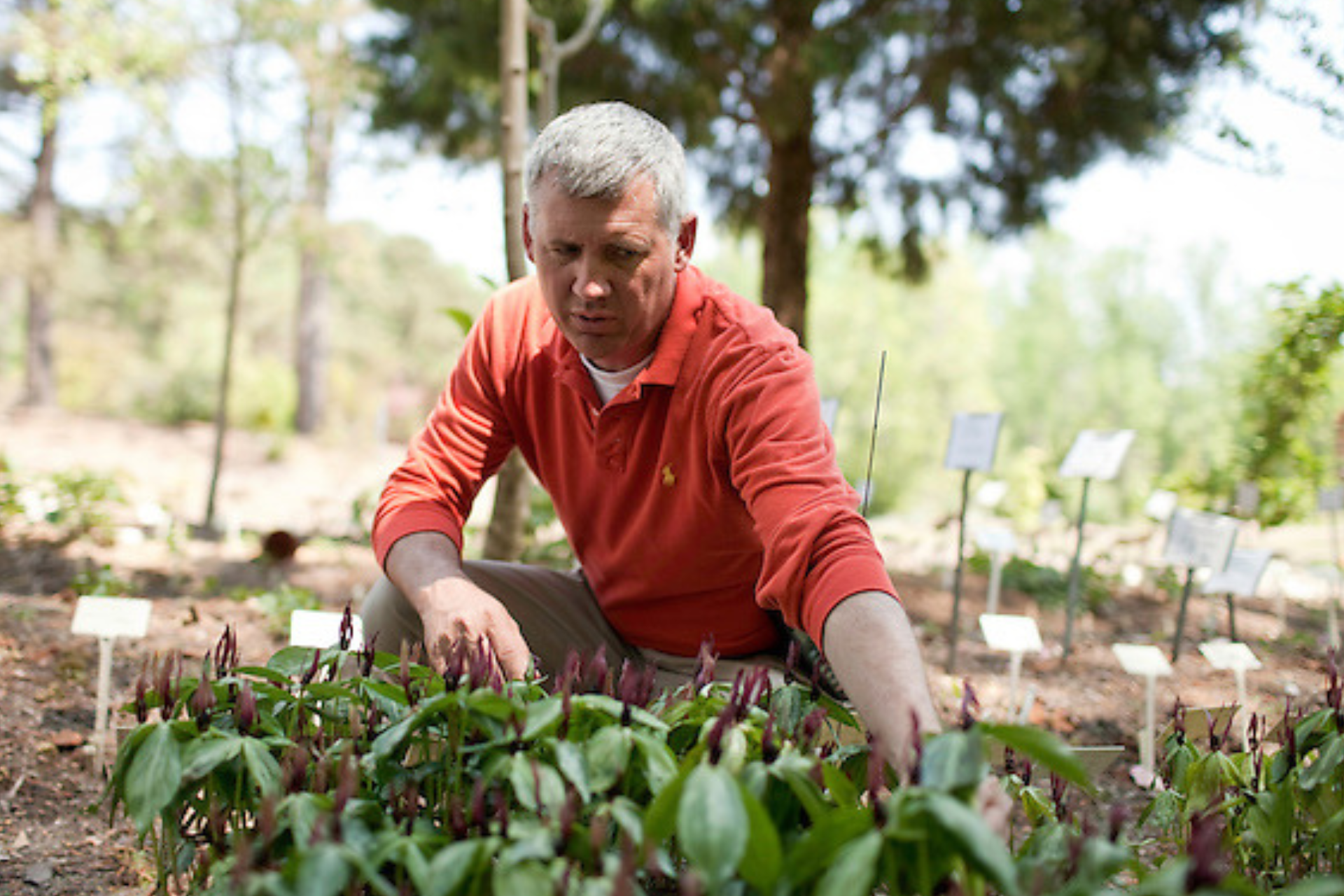
Now, Rare Life Plants, in a remarkable partnership between Must Have Perennials and JLBG, aims to make select plants from the collections available to the horticulture industry at scale for the first time. Most notably, the newly created brand will use collected royalties to help fund the JLBG Foundation, a 501(c)(3) North Carolina State University endowment designed to preserve JLBG and ensure its future as a teaching garden, in concert with the JC Raulston Arboretum.
A perfectly timed proposal
Avent shares that, about 10 years ago, he began “thinking about getting old” and preserving JLBG and its mission of ex-situ conservation — conserving plants beyond their natural sites. In 2018, he and his wife Anita gifted the property to NC State and JCRA. The gift inspired the university to establish a $20 million endowment that, once fully funded, will provide funds to maintain JLBG and its collection for research, breeding, conservation and education.

Have Perennials
of Must Have Perennials
“I think in Tony's mind, the most sensible solution was to somehow engage North Carolina State University to be able to continue Juniper Level into the future, and especially to support the educational efforts of the university and young people coming up through the industry,” says Justin Wisniewski, general manager of Must Have Perennials. “It’s such a unique location with such an incredible diversity of plants.”
Many in the horticulture industry can attest to watching plant collections representing a lifetime’s work get distributed, dispersed or, even worse, simply disappear when the person behind them steps aside.
“Tony understood that he wanted to make sure that Juniper Level didn't get subjected to that kind of future of being torn apart and disseminated,” Wisniewski adds.
When the Avents gifted JLBG to NC state, it seemed there would be plenty of time and resources to see the endowment fully funded before Avent retired. But more recently, he says he’s felt as though he’s running out of years, so a critical race with time has begun.
When the Must Have Perennials team approached with the idea of a brand that would support the conservation of plants — and specifically help support JLBG and its mission in perpetuity — Rare Life Plants was born.
A means to preserve and conserve
Wisniewski said that Rare Life Plants came to fruition as the team explored the specific goal of creating a revenue-generating model that would allow the brand to at least partially fund NC State’s JLBG Foundation endowment.
“Rare Life Plants was basically structured so that Tony's breeding and the efforts he's doing to collect plants and name them would basically funnel in through our program,” he explains. “Then we are refunding the overwhelming majority of the royalties back to support that endowment.”
Wisniewski stresses that, while the brand is not technically donating 100% of the royalties, only very minor costs incurred by Must Have Perennials are deducted. Earlier this year, Must Have Perennials was acquired by Ball Horticultural Company, in a move that Wisniewski says strengthens the Rare Life Plants program’s long-term goals of supporting JLBG and its mission.
“Ball obviously cares a great deal about supporting the horticultural community, both educationally and professionally. I think they were thrilled to be able to take part in this and the efforts being done at Juniper Level,” he adds.
An additional program goal is to get more of Avent’s rare plants in the hands of consumers, so conservation continues not just at JLBG but in gardens everywhere.
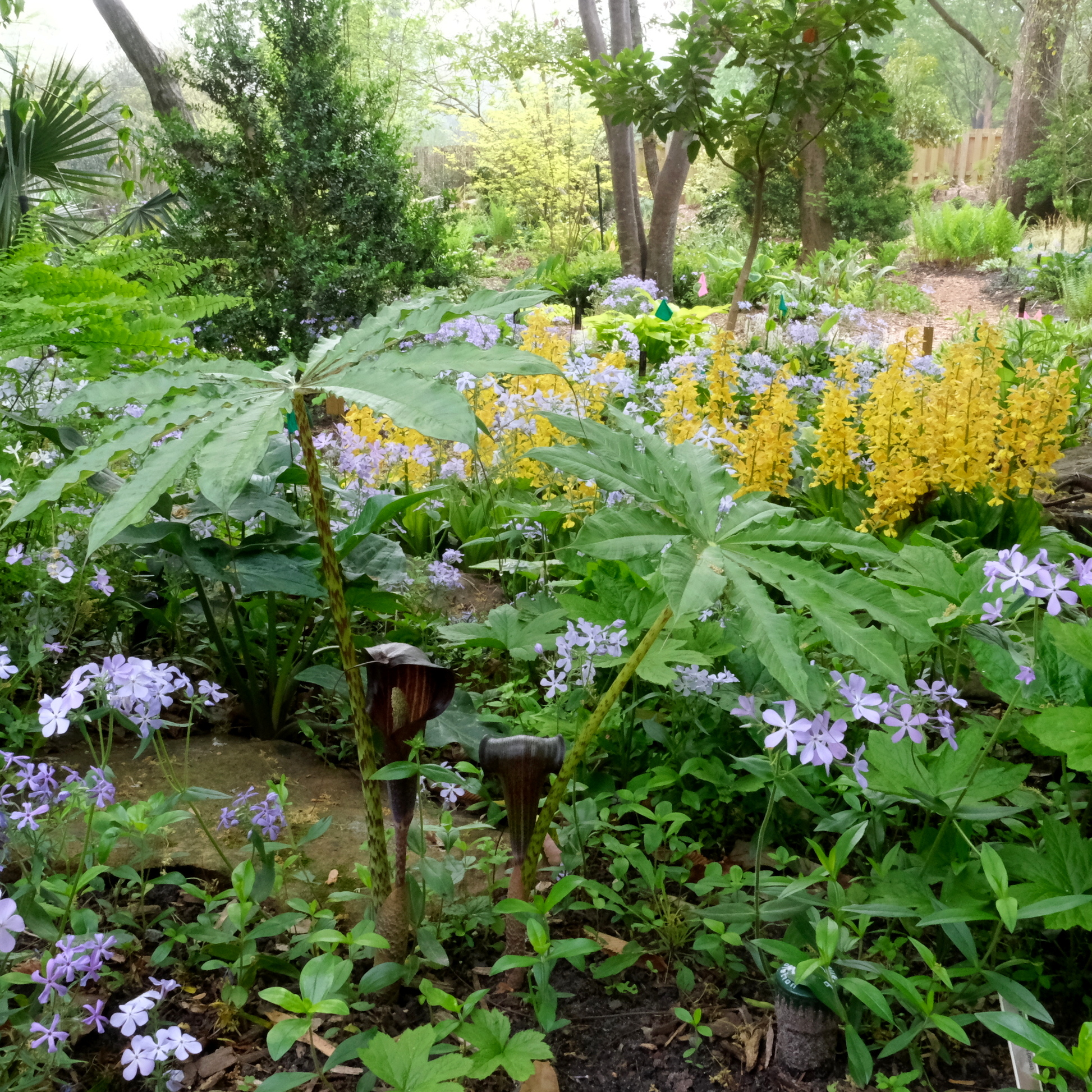
As Avent points out, Plant Delights is a small boutique retail nursery — one that traditionally has done all its own propagation.
“If we introduce a new plant, we might sell 100 or 200 of it. Having them available wholesale, that will allow it to go to a lot more folks. Once you get it into the liner market, you've opened up just a massive market for things,” he explains.
“That’s been one of our frustrations,” he adds. “We have these plants that are really great, but we don't have the ability to do national marketing and a national campaign. So, this really did fit right in with what we wanted but didn’t have the capability to do.”
Juniper Level Botanic Garden's treasure trove
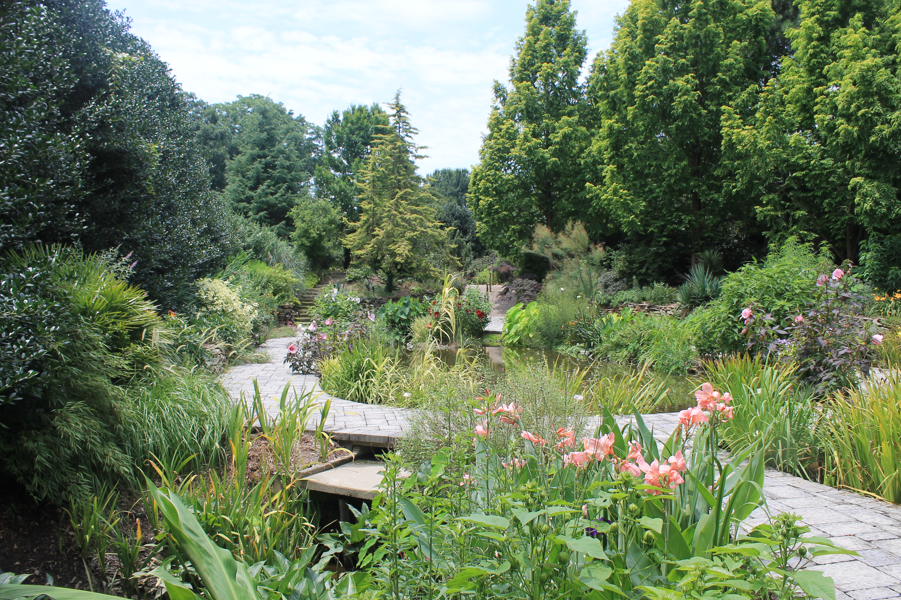
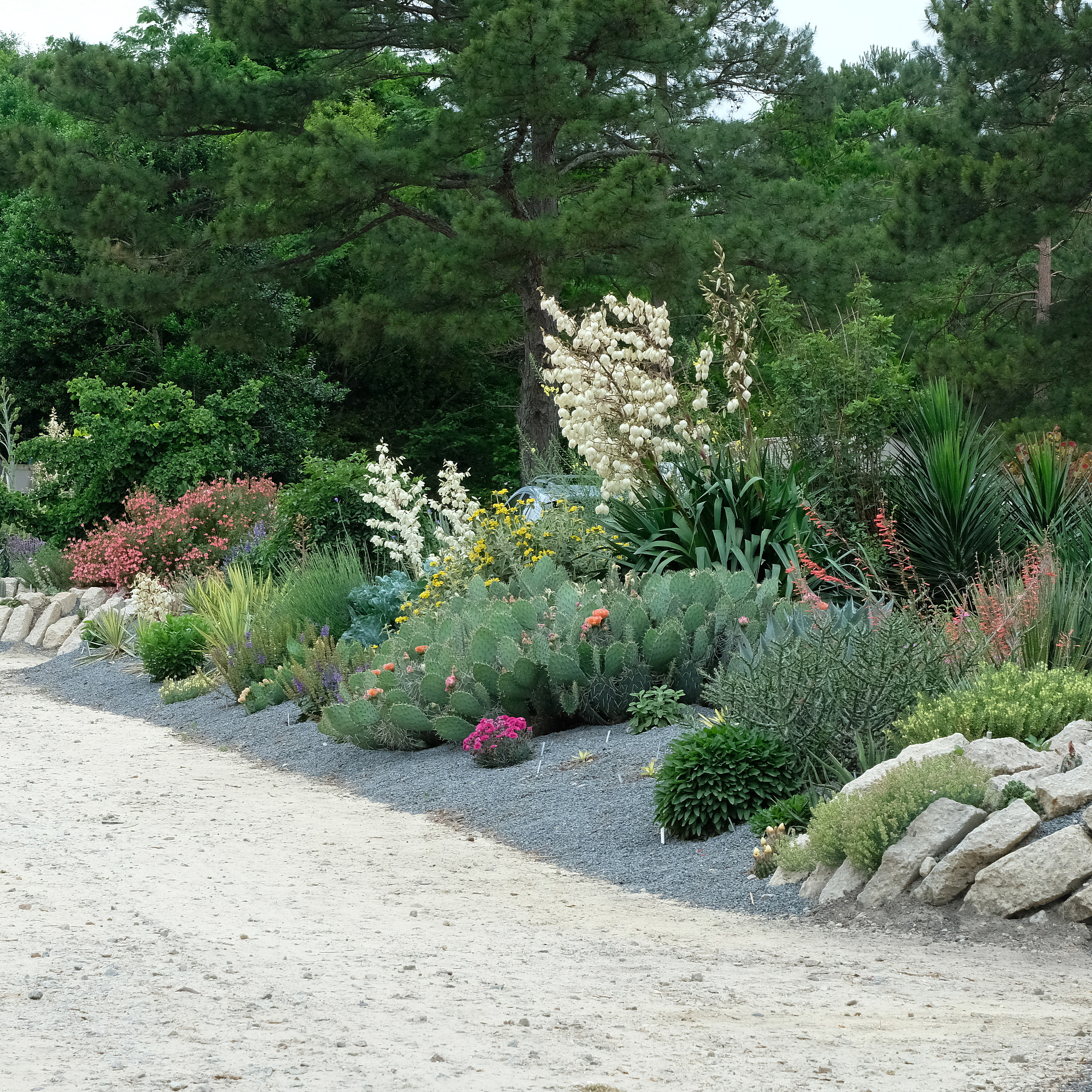
Established in 1986, Juniper Level Botanic Garden is 28 acres of what arguably may be one of the most distinctive and botanically important plant collections in existence. Ten acres of the garden are public, while the rest remain private. More than 27,000 taxa are represented at JLBG, and Avent has introduced 1,440 new plants to the trade.
Avent’s original goal when he started a little backyard nursery was to grow interesting, non-mainstream plants. But in 1994, he started traveling internationally. As a “naive college grad,” he says he thought every plant had already been found. Then, he experienced the discovery of new species, one after another, in 100 trips into the wild around the world.
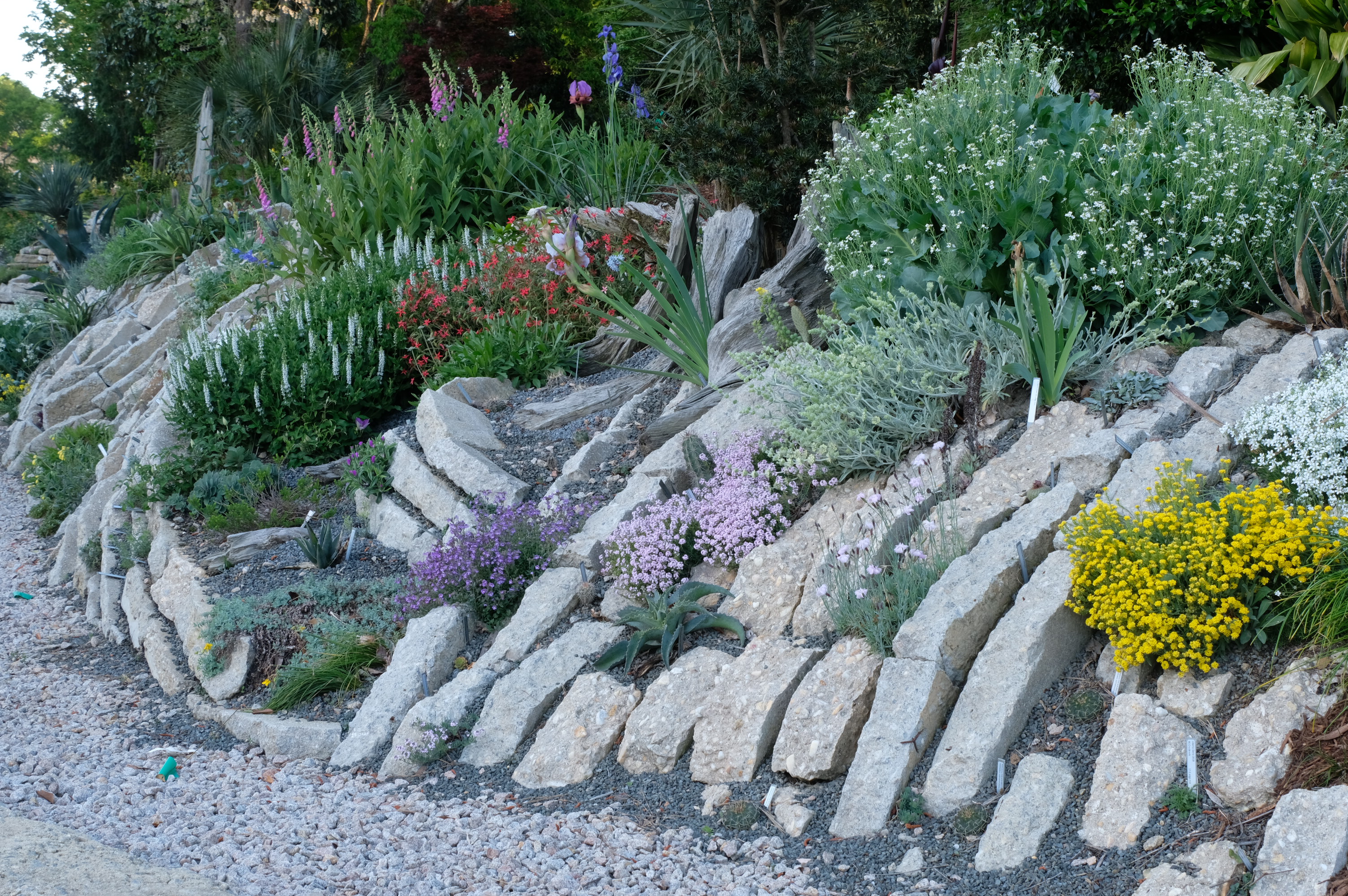
“The more I traveled, the more I realized that plants were going extinct at an alarming rate. The current number is 36.7% of the world's flora is in danger of extinction. That's pretty incredible. And an even more compelling number is 50% of the world's flora has yet to be discovered,” Avent says.
“Next thing you know, we've got all these species that had yet to be discovered growing in our garden,” he adds. “So, we really switched our focus from simply being a nursery to being what we call ex-situ conservation — conservation outside of the natural site — because we realized plants, unlike people, can't get in our cars and drive to a new location when it gets too hot, too cold, too wet, whatever. So, that became more of our focus.”
Avent explains that new plants undergo extensive trialing before being deemed ready for home gardeners.
“We bring them in, trial them out, make sure they behave well, see if they have garden value,” Avent says.
Now, some of those varieties will be finding homes in gardens far beyond JLBG.
Wisniewski says Avent has given Must Have Perennials access to dozens of genetics. The brand has more than 70 varieties at this point — much too many to introduce in any one year. As a result, plans call for a phased rollout, focusing on varieties they think have the greatest commercial appeal.
A soft launch and a slow rollout
Wisniewski said that Must Have Perennials chose to do a soft launch for the new brand at MANTS, even though the brand is still building up numbers needed to meet demand. With industry buzz about JLBG’s future, they wanted to let everyone know that a plan is in place and what they can expect as the Rare Life Plants brand ramps up.
The first JLBG plants scheduled for commercial launch will be in larger university trials in spring 2026, with full commercial launches planned in late 2026 or early 2027. Consumers potentially will get their hands on JLBG plants through the larger retail network sometime in 2027.
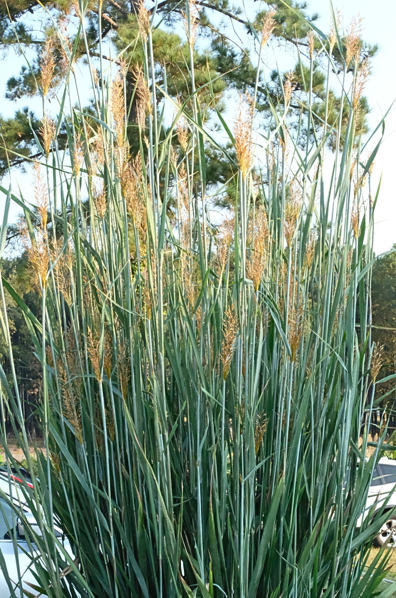
First in line is Sorghastrum nutans ‘Slim Pickens’, selected in Pickens County, South Carolina, for its heat tolerance, bluish foliage and beautiful bronze flowers.
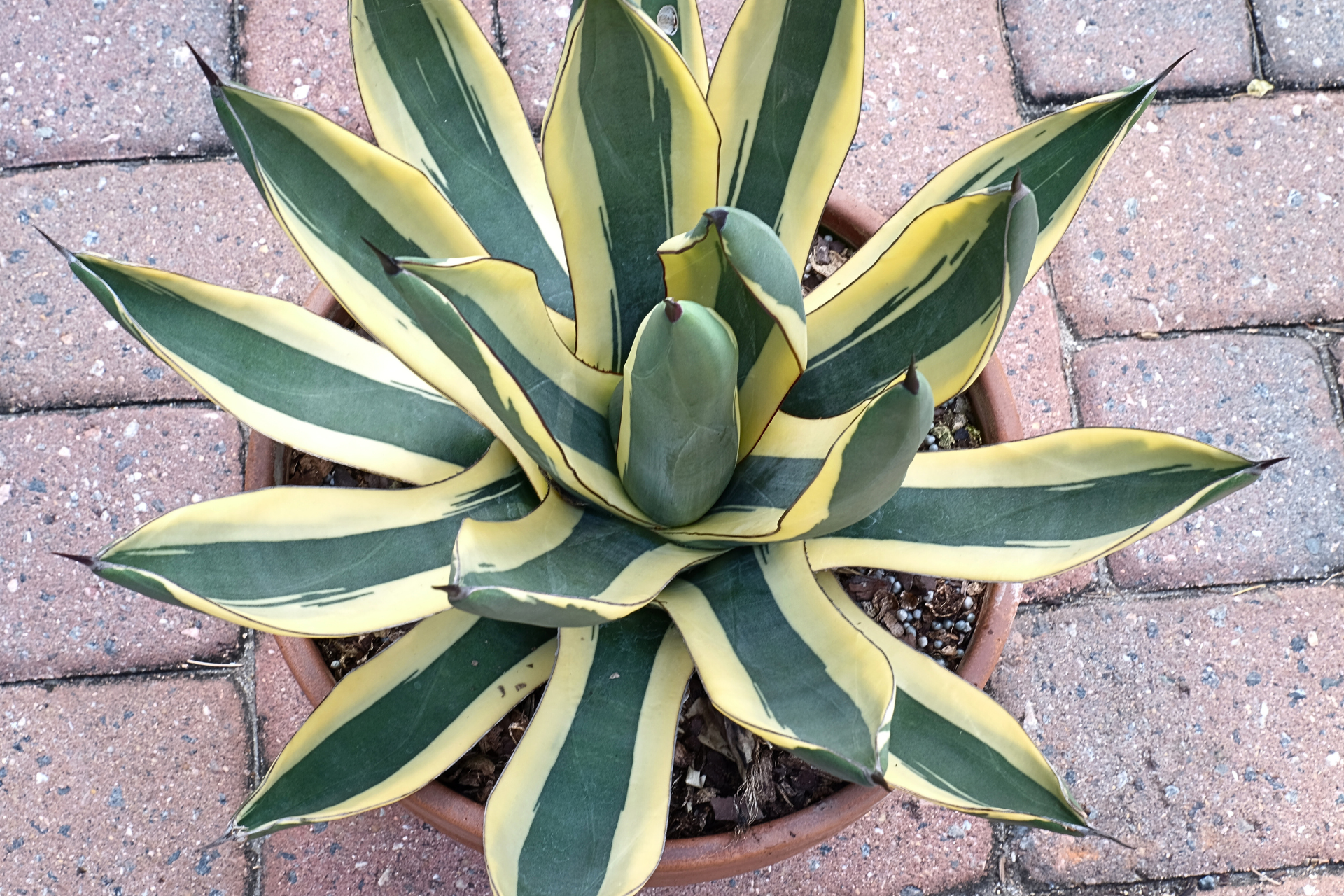
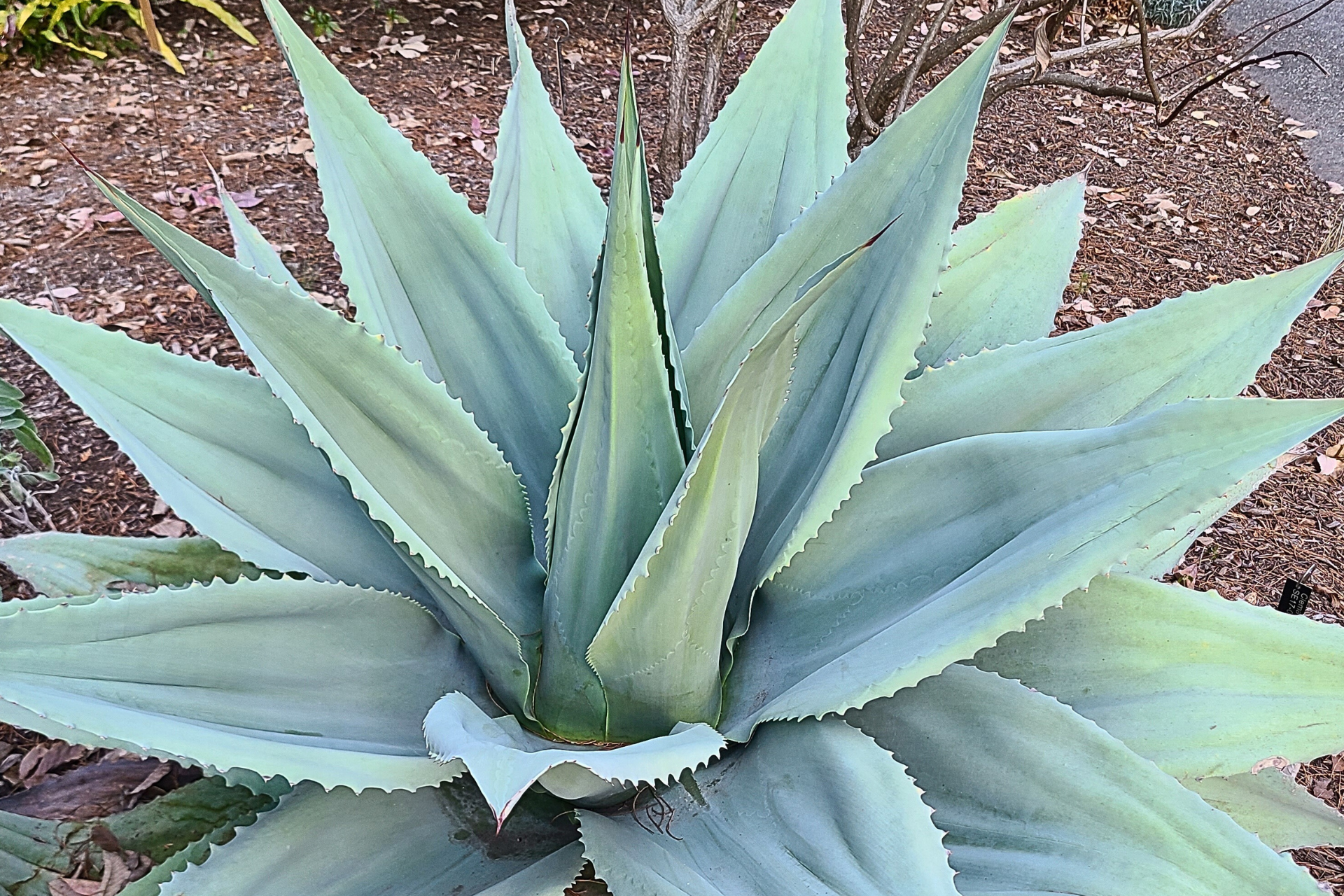
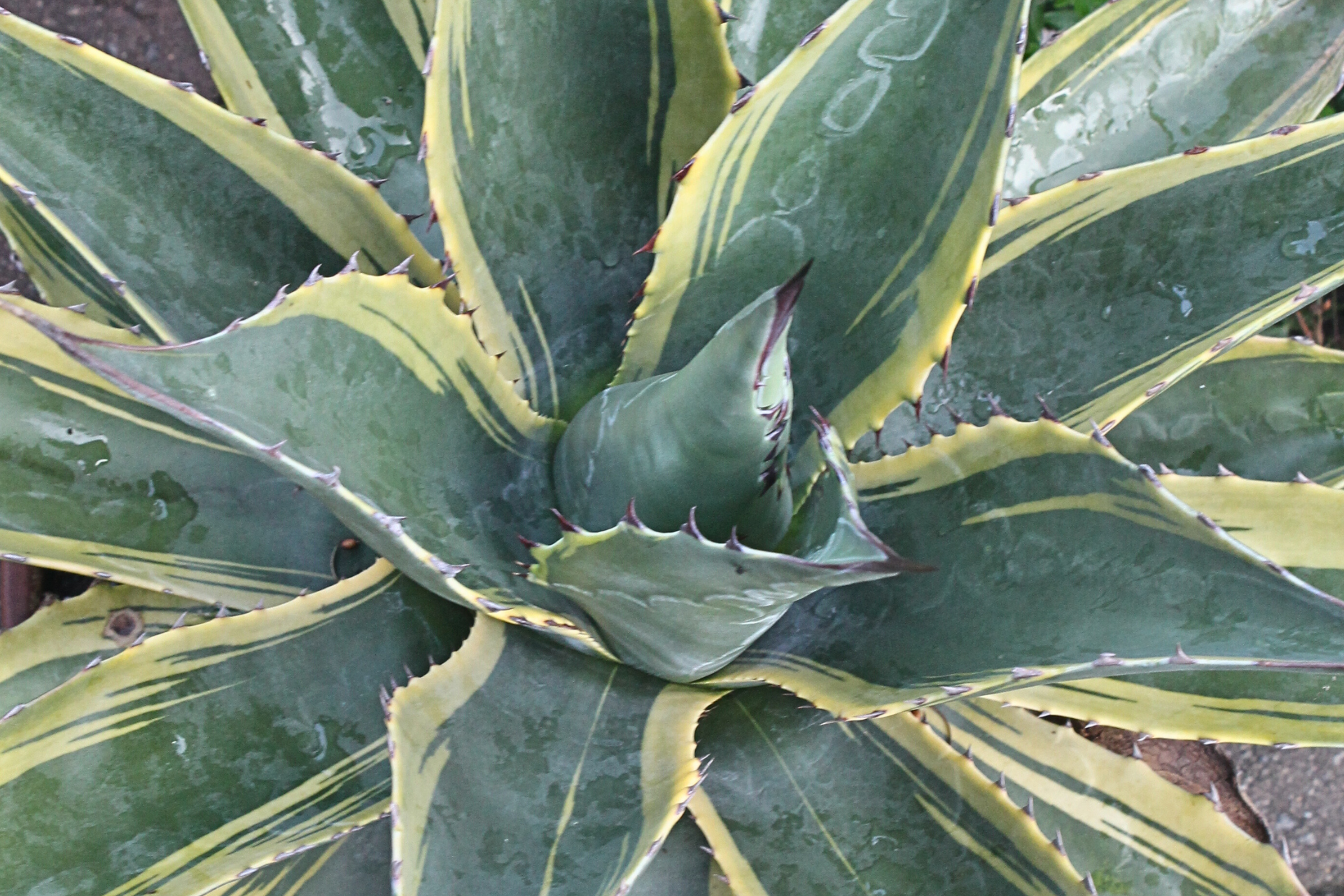
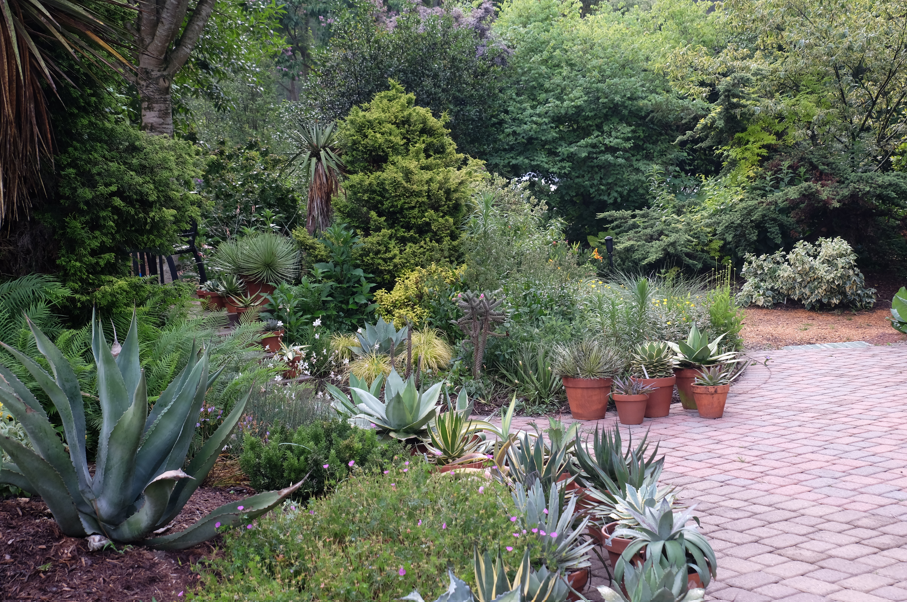
Two striking Agave are also part of the initial rollout: Agave ovatifolia ‘Kraken’ and ‘Lava Flow’. Many more from the collections of Agave, Amsonia, Baptisia, Hosta and others are in the queue.
Wisniewski notes that many of these plants, formerly limited by the Plant Delights propagation capacity, have remained rare collector specimens. Now, they’re in the Must Have Perennials supply chain, with a much larger customer base in sight.
“Now, folks will be able to see the beauty and splendor of the varieties that Tony’s been working on in Plant Delights,” he adds.
Wisniewski confirmed that all the plants under the Rare Life Plants brand will be coming into the program from Avent and JLBG.
“We are currently not inserting material from other breeders into this program. We don't have any plans to do so at this point,” he says. “It is entirely focused on Tony and his team's efforts to provide genetic material.”
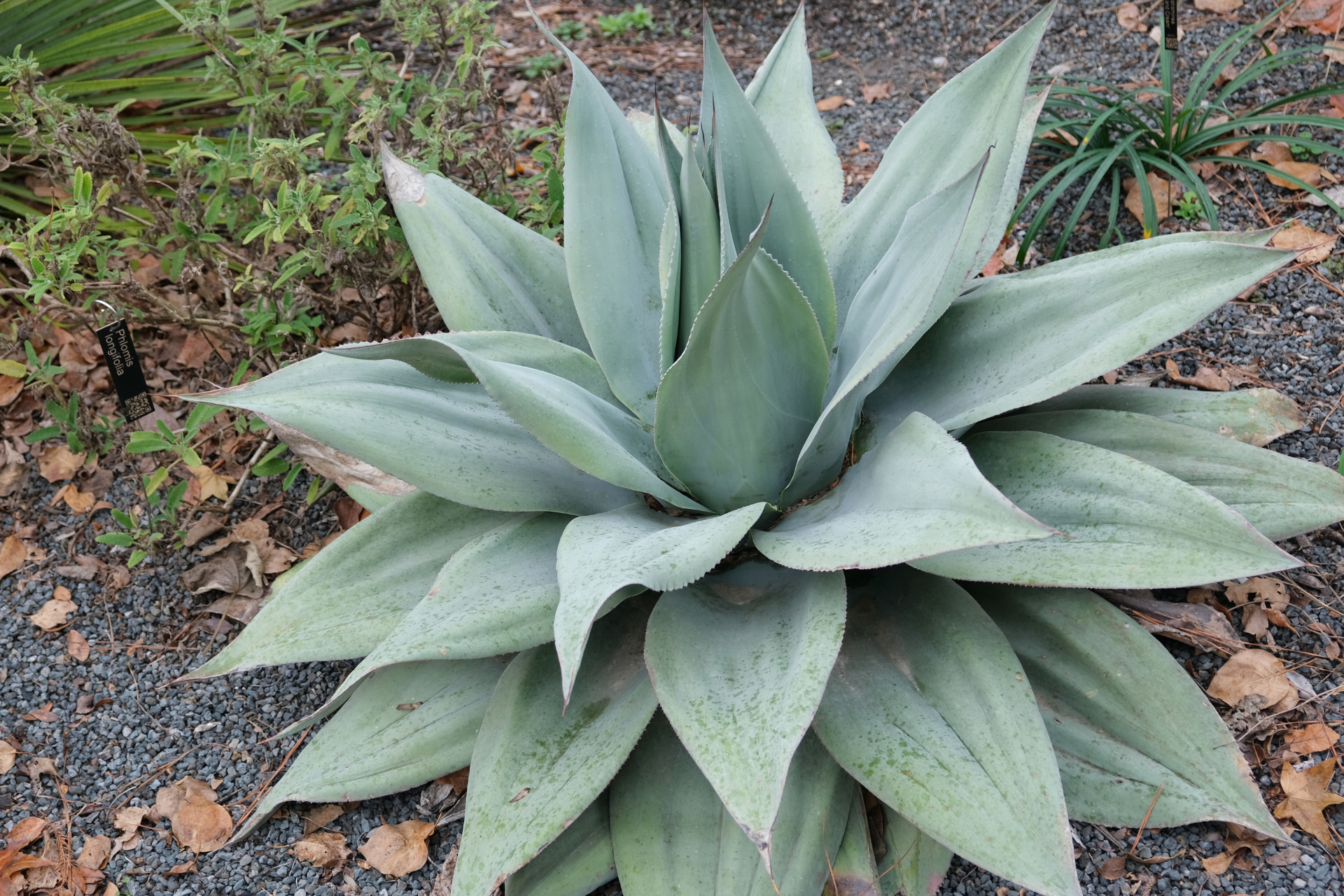
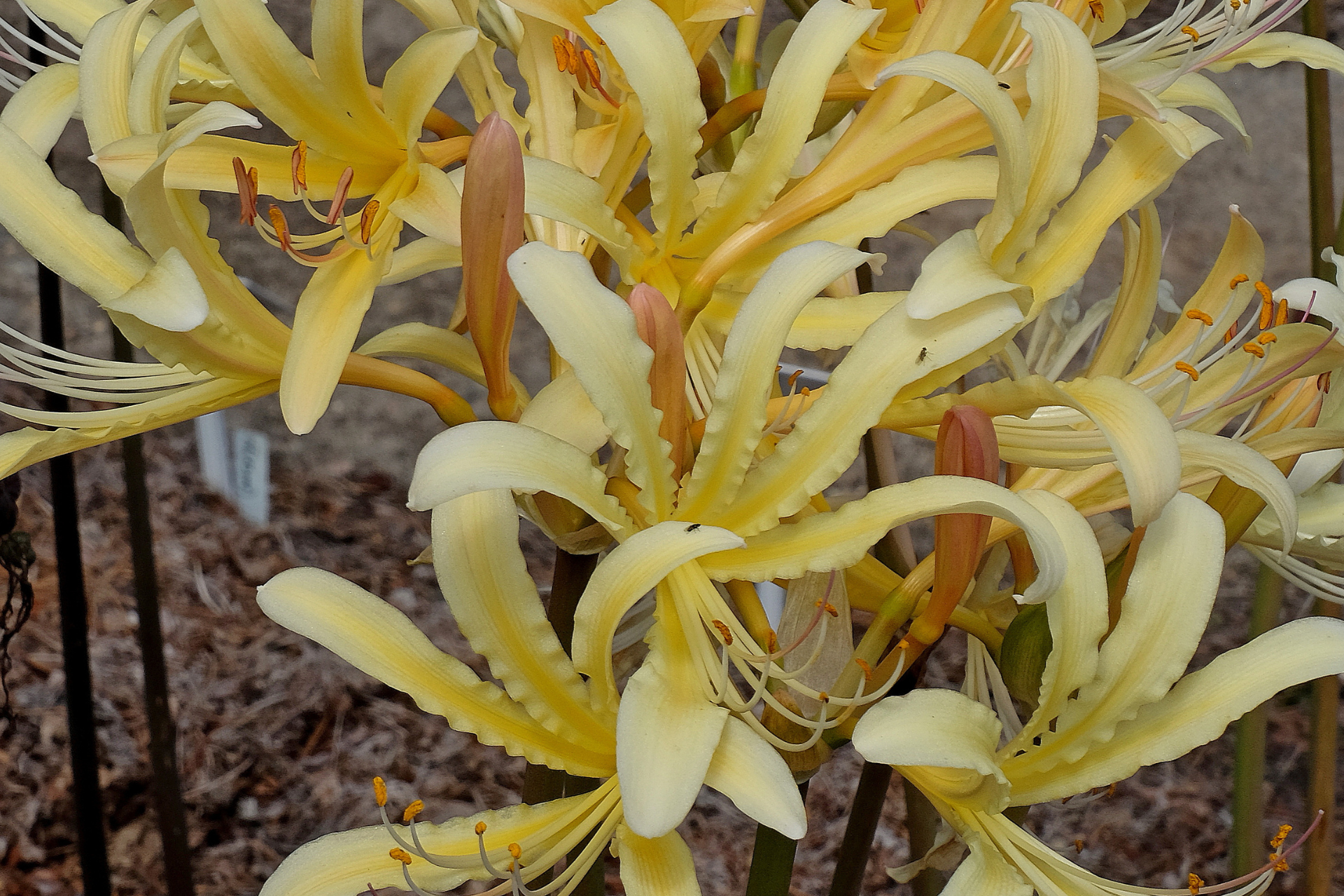
Take a look at some of the current plant introductions in progress below, then keep scrolling to read the rest of the story:
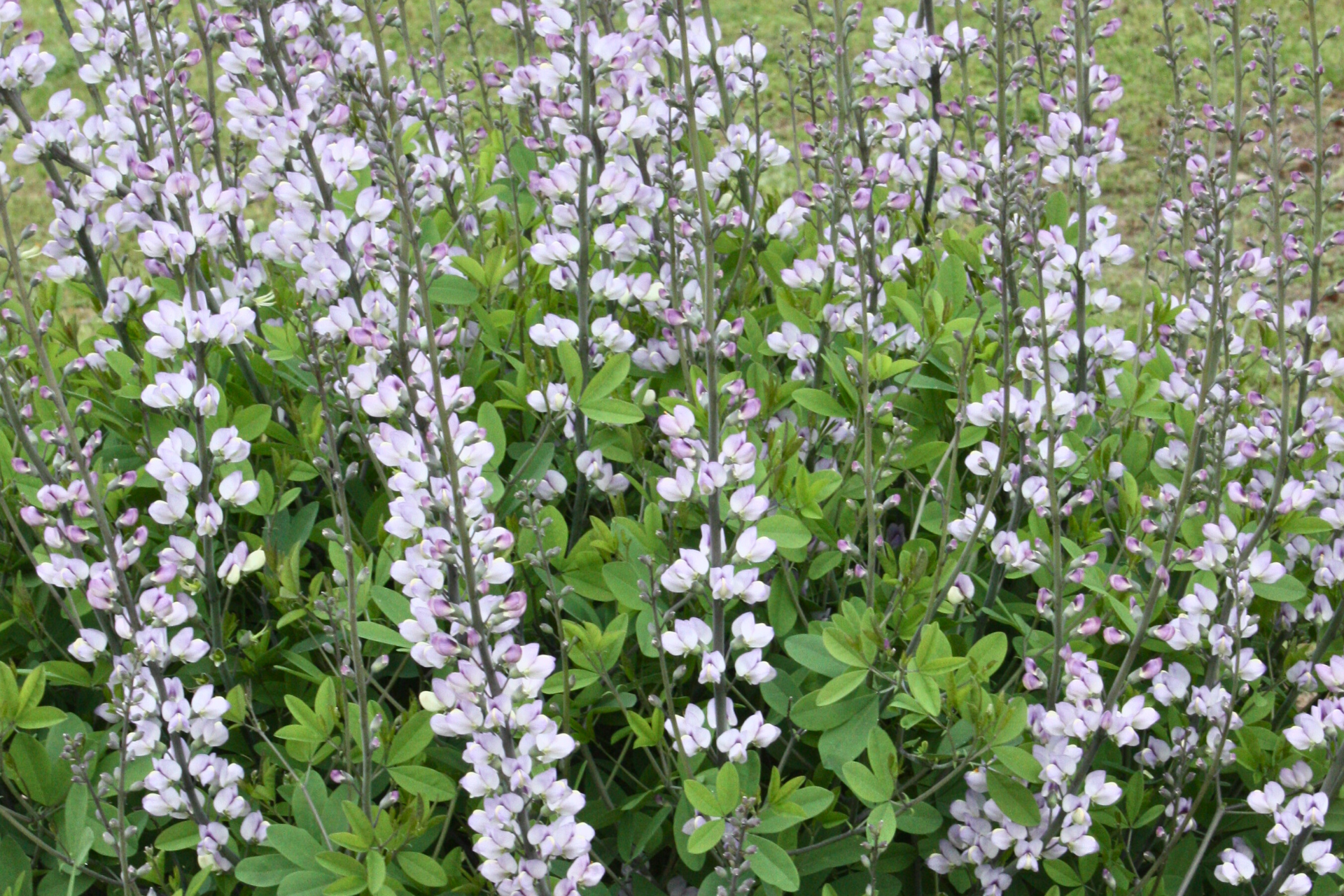
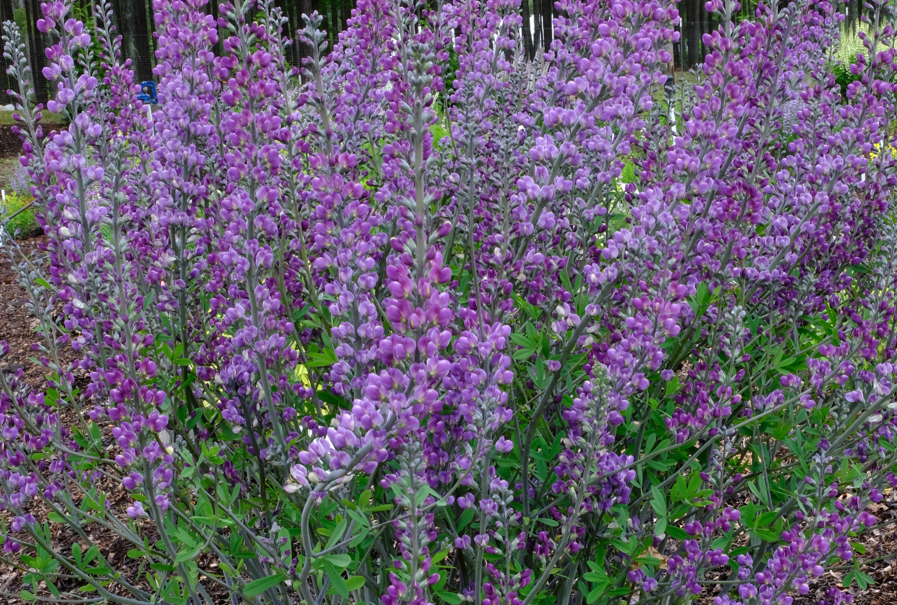
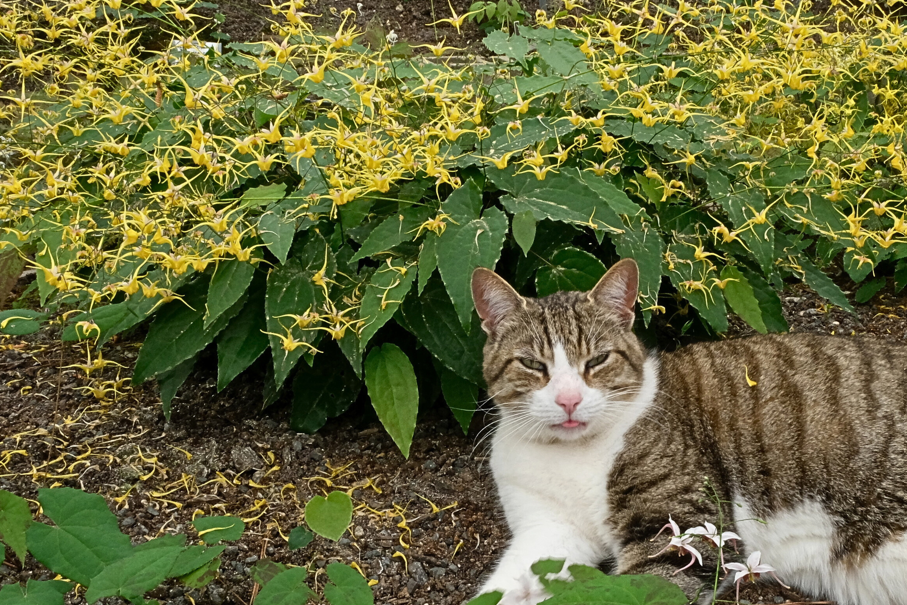
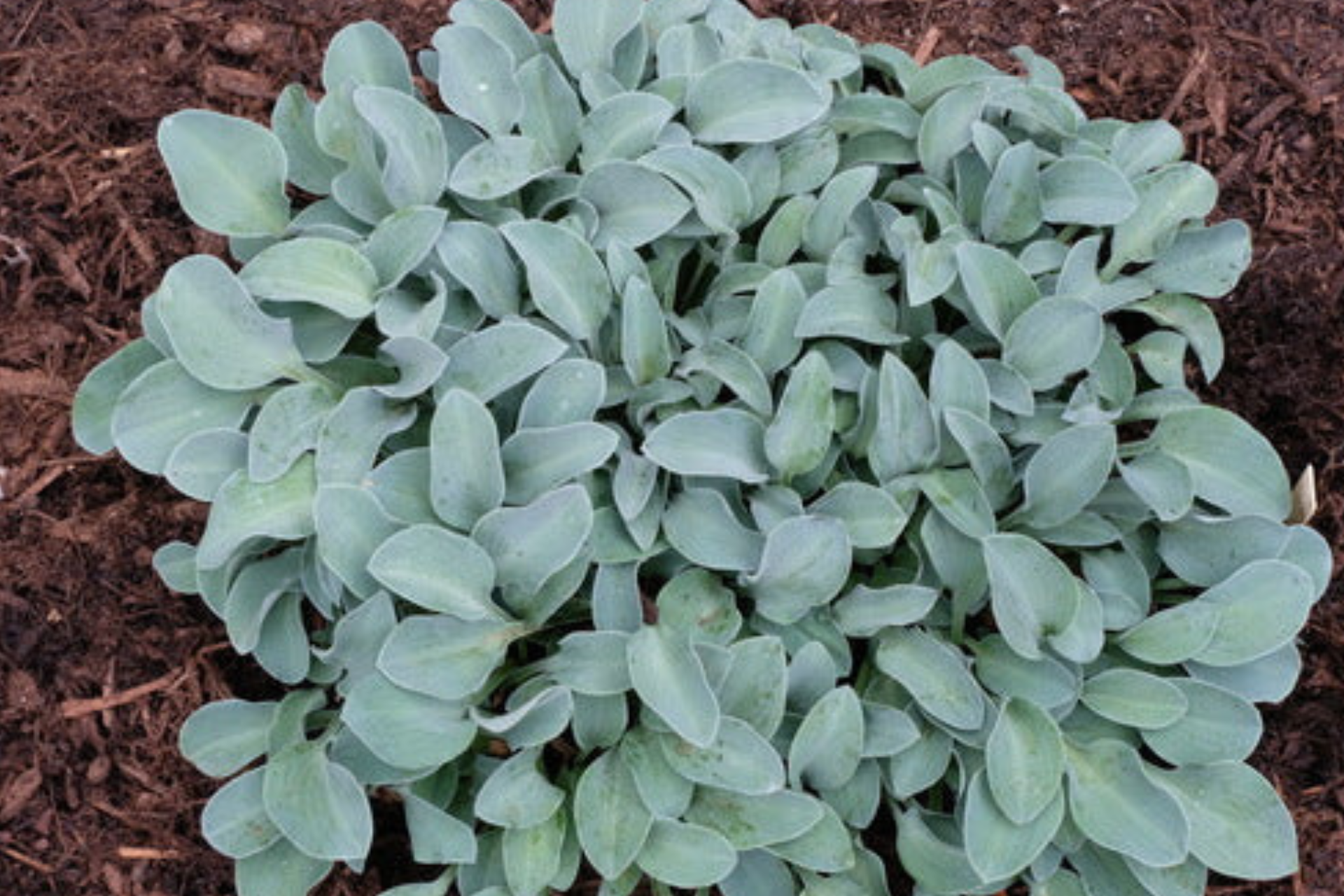
Support for Rare Life Plants and JLBG’s mission
Avent said that JLBG’s extensive plant collections have been used by Ph.D. researchers from all over the world to further research and increase knowledge. Similarly, cancer researchers have spent days collecting samples in hopes of creating medicines that may solve an array of human ills.
And of course, passionate gardeners explore the public gardens for inspired ideas of how to re-green the planet with rare plants in new ways.
“The future of humankind is really dependent upon our industry,” Avent says. “To be able to inspire, to be able to take these plants that are going extinct and preserve them until we can find out how they can benefit humans. Be it ornamental, be it medicinally, whatever. Every plant has the potential for a human benefit. That's a pretty compelling reason to preserve as much genetics as we can.”
Wisniewski suggests that interested growers and retailers reach out to their normal plant suppliers now to let them know of their interest in Rare Life Plants and that Must Have Perennials is their contact. Home consumers can reach out to their local retailers and let them know they hope to see Rare Life Plants in their stores soon.
In the meantime, Avent shares that interested people can also support this cause in other ways.
“We really have two needs. One is to obviously get the endowment, which ensures the future. We can't touch the money until it reaches the $20 million level. So, until then, we've started a garden membership program, which basically supports what we do currently,” he says. “Then, the endowment will support it down the road, once I am able to retire. Both are absolutely critical for us for the gardens to survive.”
Avent stresses he’s just a gardener — but one who sees JLBG and the Rare Life Plants brand as components of a more expansive plan.
“There is obviously a much greater reason for this to exist. I could say all day, ‘Oh, I did this, and I did this,’ but that's not reality,” he says. “The universe intended this to happen, and it intends, I'm assuming, for it to be preserved if programs like this happen. Call it divine intervention. It was meant to be.”
Jolene Hansen is an award-winning freelance writer who has covered the commercial horticulture, CEA and garden center industries for more than a decade. Contact her at jolene@jolenehansen.com.
Latest from Garden Center
- National Garden Bureau, All-America Selections recognize pepper breeder Terry Berke, Territorial Seed Company President Tom Johns
- Cool tech for garden retailers
- The inventive women of TPIE ’26
- 10 questions with Jonah Nelson
- Quality Horticulture to acquire Hydrofarm Canada distribution
- From Structure to Storefront: The Retail Greenhouse Features Worth Planning For
- Growing flowers to grow confidence
- Think like Disney