Photos courtesy of Stuppy
You can’t predict the future, but you can prepare for it.
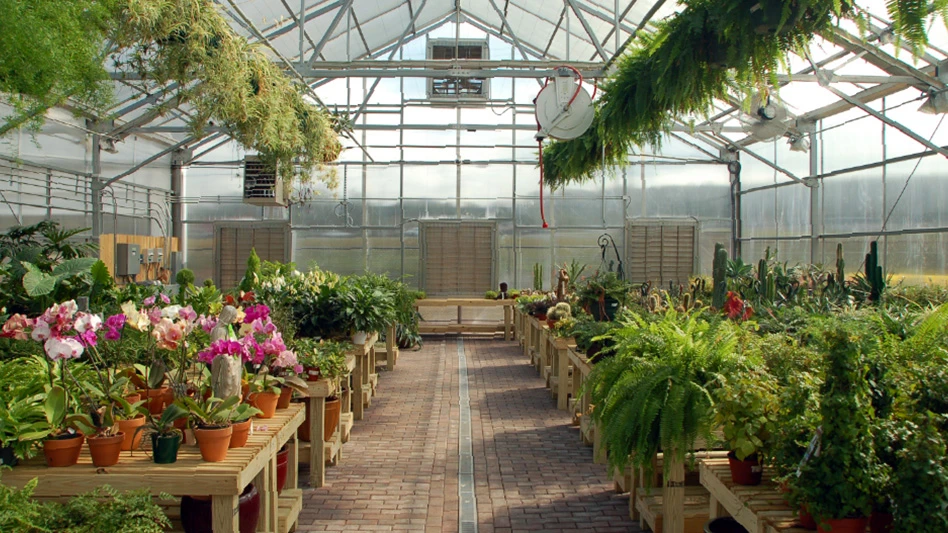
Whether you’re planning to install a new garden center greenhouse or make improvements to an existing one, it’s important to determine what features will benefit your production most — and to consider those you’ll want in five, 10 or 20 years from now.
In this article, we’re sharing three of the most innovative ones you’ll want to consider.
While some operations are ready to add a new structure, for many retailers, a full build isn’t an immediate reality. Growth often happens in phases, such as through technological upgrades that make existing structures work smarter and more effectively. With the right improvements, even a well-used greenhouse can be modernized to increase efficiency, enhance the customer experience and support long-term production.
However, advanced technology can only go so far in a structure unable to accommodate it. In these cases, strategic renovations and expansions are key. The design decisions you make today will determine how easily you can adapt tomorrow — and you don’t have to make these decisions on your own.
At Stuppy, we understand that when you’re investing in your operation, you’re looking for noticeable improvements now as well as lasting benefits down the road. With the right combination of modern features and thoughtful structural design, we can help you create a retail space that delivers both.
The Features Worth Planning For
By incorporating compatibility for modern greenhouse features into your design, technology advancements can carry your operation for years — even if you have none of them to start. A design that thinks ahead leaves room for upgrades and ongoing functionality.
So, what features are truly worth planning for?
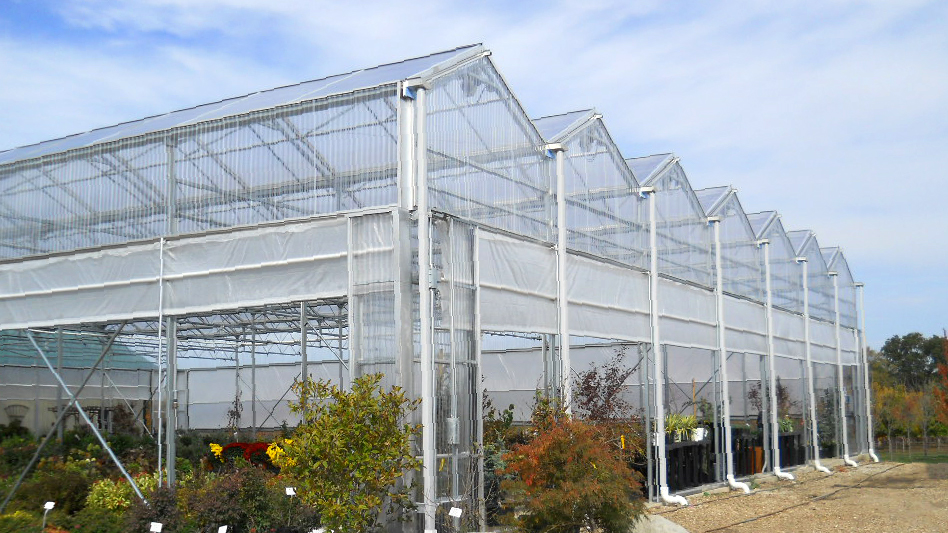
Hydronic Heating
The healthiest plants require the right balance in temperature, from leaf to root. The happiest customers also require a comfortable environment to shop. Conventional forced-air heating systems, however, don’t always heat the entire space of a greenhouse evenly, leaving pockets of cooler air. These systems can end up being quite costly to run, especially if improper insulation is working against you. The money you pour into heating the space can practically evaporate — almost literally.
Our Heat2O Hydronic Heat systems are a more efficient alternative. Hydronic heating works by circulating heated water through durable rubber tubing, resulting in more direct heat delivery.
These systems can be installed at different levels, providing heat from the ground up.
Ground and Floor Heating (Heat2O-GT and PEX Systems)
Ground and floor heating create a source of consistent radiant warmth precisely where retail settings need it most. For ground heating, the GT system is placed under gravel or ground cover, whereas PEX tubing can be embedded in concrete for floor heating.
Both provide a quiet, discreet and comfortable heating option ideal for plants and visitors alike, keeping the shopping area pleasant without wasting energy to warm the upper canopy.
Additional zoning can be provided for outdoor snow melting, helping to clear entry areas and walkways without the hassle of manual effort.
Bench Heat (Heat2O-BT Hydronic Heat)
On-the-bench heating offers increased temperature precision and root-zone heating. The system can be placed on 2- or 3-inch centers to create different temperature zones within the same bench environment.
Warm roots facilitate better nutrient uptake for healthier plants, higher yields and a more consistent retail-quality finish. It also provides an additional layer of protection against cold snaps, minimizing shrinkage, shock and loss.
Gutter & Roof Fin Heat
Hydronic heating can also be installed at the roof level. When snow and ice layer on top of your greenhouse, they block out the natural light — and, in more extreme circumstances, can damage your structure due to the excess weight.
By installing tubing in the gutters, eaves and roof lines, you can remove this hazard by melting it directly.
Planning for Greenhouse Hydronic Heating
Hydronic heating systems perform best when the greenhouse structure is designed to support them. Bench design, spacing, piping pathways, service access and long-term maintenance considerations all factor into how effective and scalable the system will be.
In our work, we’ve seen that when these elements are incorporated into the original greenhouse design, retailers can adapt as their production needs evolve without the expensive retrofitting.
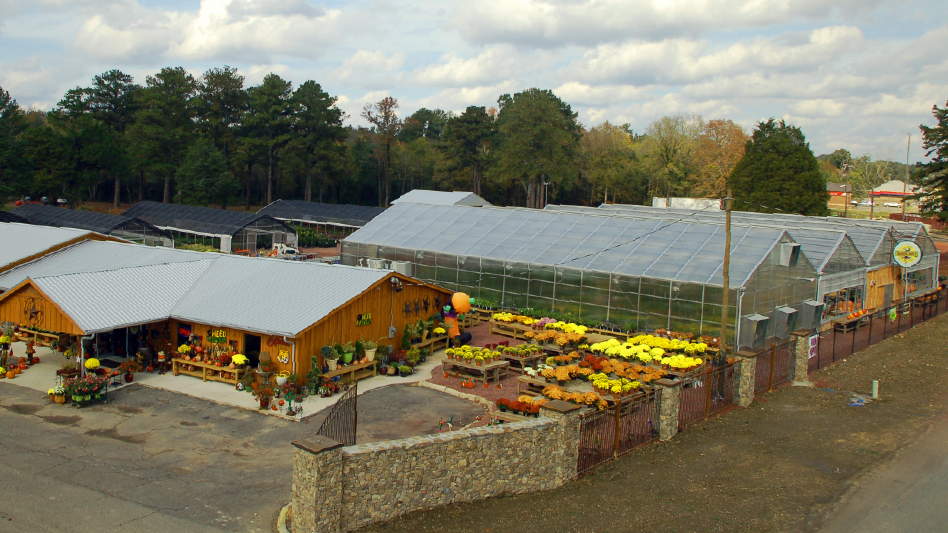
Automated Energy Curtains
Energy curtains, also known as thermal curtains, provide greater customer comfort and plant protection, which can be especially helpful during peak garden center seasons. When automated, motorized controls adjust the position of the curtains based on temperature or light levels, reducing the need for frequent manual intervention or plant rearrangement.
With the right fabric, energy curtains double as shade systems. Not only can they cut energy costs by as much as 30% to 40%, but they also significantly reduce the amount of solar radiation entering the greenhouse space from late spring through early autumn. Plants benefit from less shrinkage or scorching, and customers get to comfortably linger and shop the displays at their own pace.
But not all automated greenhouse shading systems work for every retail greenhouse. Structures require the right framing, mounting points and clearances for the system to function correctly and have the most impact. Shading systems work best when they aren’t an afterthought.
In structures like Stuppy's CS3 or ProLine Series, energy curtains can be easily integrated for ideal performance. We partner with you to help begin or expand your operation the right way from the start, with equipment tailored to fit your needs and that works seamlessly within your structure.
Even if you aren’t including energy curtains in your initial greenhouse design, it’s worth considering how your operation may grow in the future and ensure your structure is ready to support larger upgrades, such as retractable shades, thermal curtains or zone-based heating features. Our industry experts take present and future concerns into account, helping you think through every detail as we design a greenhouse meant to last.
Natural Ventilation Systems
Adequate ventilation is essential for maintaining stable temperatures and humidity levels while keeping fresh air circulating throughout the greenhouse. This airflow helps prevent fungal growth and plant diseases while also making the space more comfortable for visitors, encouraging customers to shop for longer periods of time.
However, the success of ventilation depends heavily on the greenhouse design. Vent sizing and orientation influence natural airflow, and proper placement is critical. A greenhouse engineered with airflow in mind minimizes hot spots and dead zones, promoting healthy plant growth and reducing the likelihood of wilting or disease.
By designing a structure compatible with ventilation systems from the start, we help set your operation on a path for success — one that’s more efficient, produces healthier plants and offers a comfortable retail space for customers.
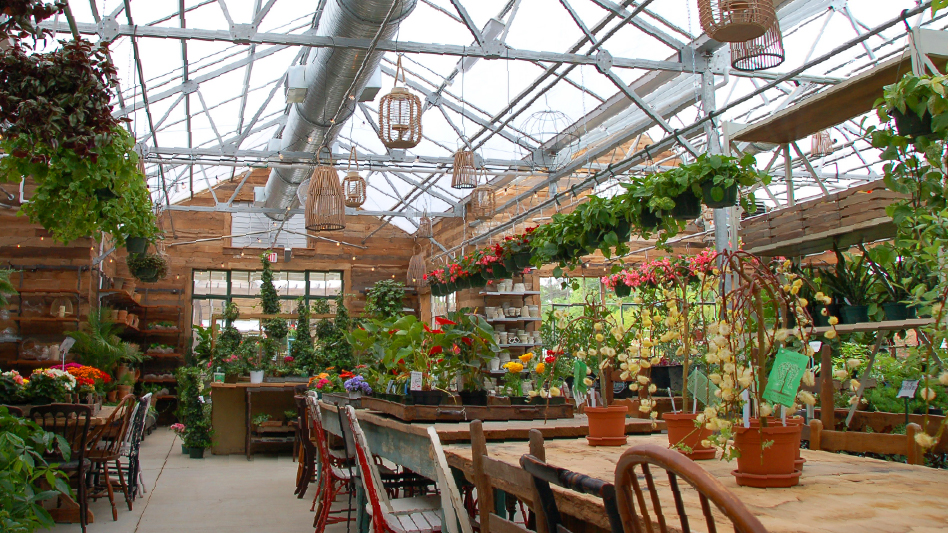
Innovation Starts with Engineering Foresight
A greenhouse can be advanced long before a single automated system is installed. When engineered for compatibility, flexibility and the years to come, the structure itself brings a sense of modernization. From there, advanced technology can fine-tune your operation, functioning best in a space designed for it to thrive.
But to get that structure just right, it’s crucial to work with commercial greenhouse manufacturers who understand your current needs and those to come. The right design welcomes:
- More consistent plant quality and presentation
- Less labor spent reacting to changes in greenhouse conditions
- Enhanced comfort for shoppers, visitors and guests
- Fewer expensive retrofits
- Enhanced technology integrations as needs evolve
Stuppy Commercial Greenhouse Manufacturing
You understand your plants best — the conditions they need to grow, bloom and succeed. At Stuppy, we know what your operation needs to do the same. We’re your reliable partner for designing, engineering and improving a structure that helps you reach your goals while also enhancing the customer experience.
From greenhouse floor-level heating to advanced shading systems, we bring rich industry experience and deep technological understanding to guide you throughout the planning phase, ensuring your retail center supports you now, later and well down the road.
Contact us to get started — we’d love to hear how we can help you grow.
Latest from Garden Center
- Art Van Wingerden appointed chair-elect of American Floral Endowment
- U.S. horticulture operations report $18.3 billion in sales: USDA
- Stonehouse Nursery announces ownership transition from founders to nursery manager
- [WATCH] Taking root: The green industry’s guide to successful internships
- Green escapes: Garden Center Conference & Expo tours Kansas City IGCs
- BioWorks appoints Chris Rose interim general manager
- NCNLA announces 2025 industry award recipients
- California bound