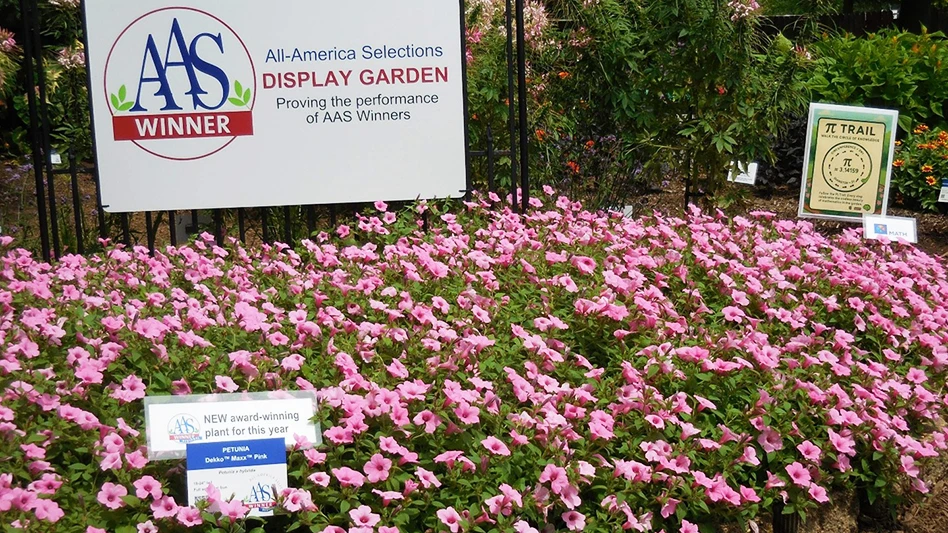
Photos courtesy of All-American Selections
All-America Selections’ 2025 Landscape Design Challenge looked to embrace education this year with a theme of “STEAM Using AAS Winners.”

For the challenge, AAS provided gardens with recent AAS winner seeds and plants. The gardens had the option to also incorporate older AAS winners in their design to give a historical aspect to their display if desired. Gardens were encouraged to hold educational events to share the story of All-America Selections and AAS winners.
Gardens were divided into three categories based on the number of visitors per year:
- Category I: Under 10,000 visitors per year
- Category II: 10,001 to 100,000 visitors per year
- Category III: Over 100,000 visitors per year
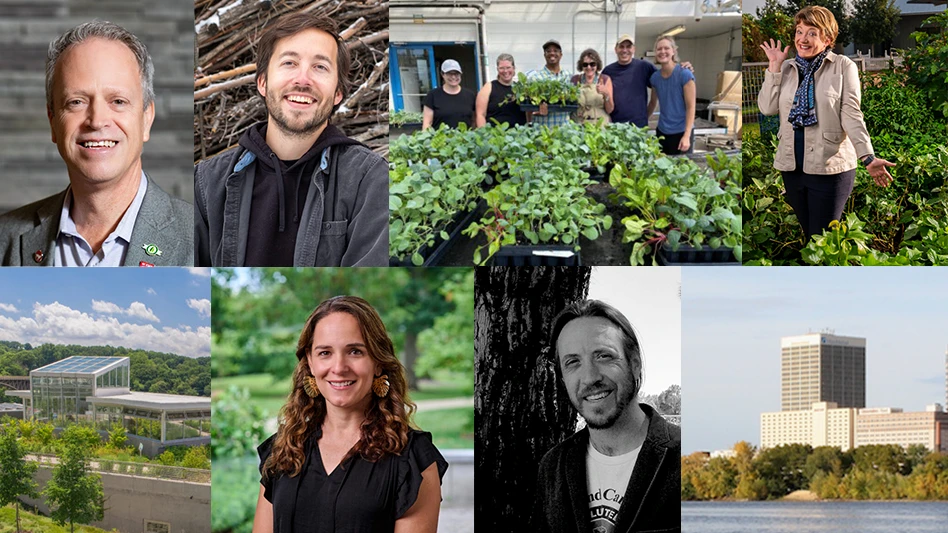
AAS brought in horticulture and landscaping industry experts as contest judges:
- Ron Cramer, retired, Sakata Ornamentals and AAS former president
- Barbara Wise, marketing, Crescent Garden
- Helen Battersby, garden writer/speaker, Toronto Gardens
- Penny Merritt-Price, product development manager, Young’s Plant Farm
Winning gardens from the 2025 Design Challenge include:
Category III: Over 100,000 visitors per year
First-place winner: Green Bay Botanical Garden, Green Bay, Wisconsin

The AAS landscape design at Green Bay Botanical Garden integrated the STEAM acronym (Science, Technology, Engineering, Art, Math) with a botanical twist. The design featured a spiral garden bed representing the Fibonacci sequence (math) and reused plastic sculptures connecting to sustainability and the Washed Ashore exhibit (art). Engineering was demonstrated through various accessible raised beds and an adapted ladder trellis for vertical growing. Technology utilized QR codes on plant labels to link visitors to detailed AAS winner information. As a cornerstone of the theme, science highlighted principles of botany, pollination and nutrition. The immersive garden provided guests with a beautiful and educational experience, ensuring the impact of the planting lingered long after their visit.
Second-place winner: Boerner Botanical Gardens, Milwaukee, Wisconsin
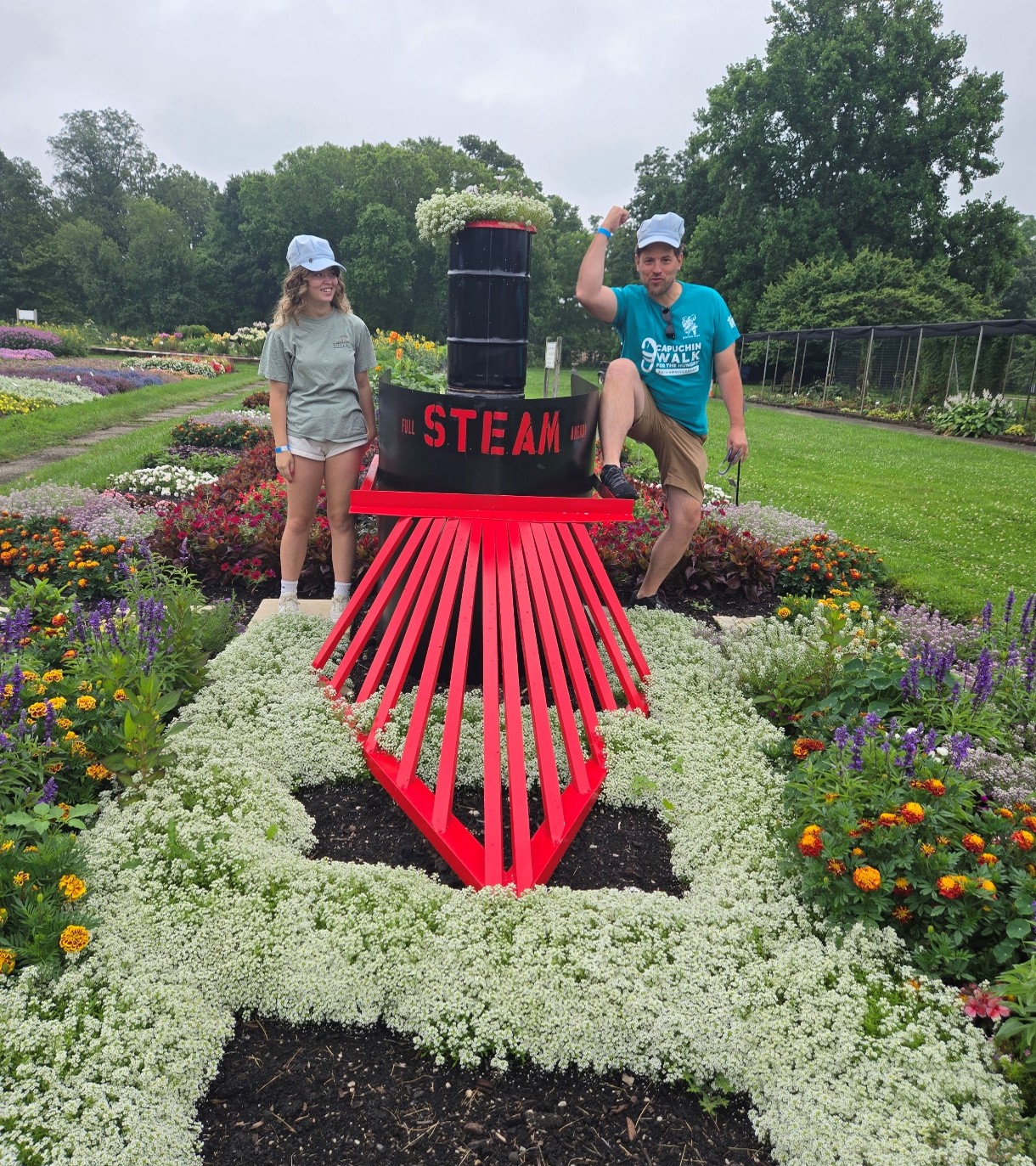
First-place Winner: Purdue Extension Marion County Demonstration Garden, Indianapolis, Indiana
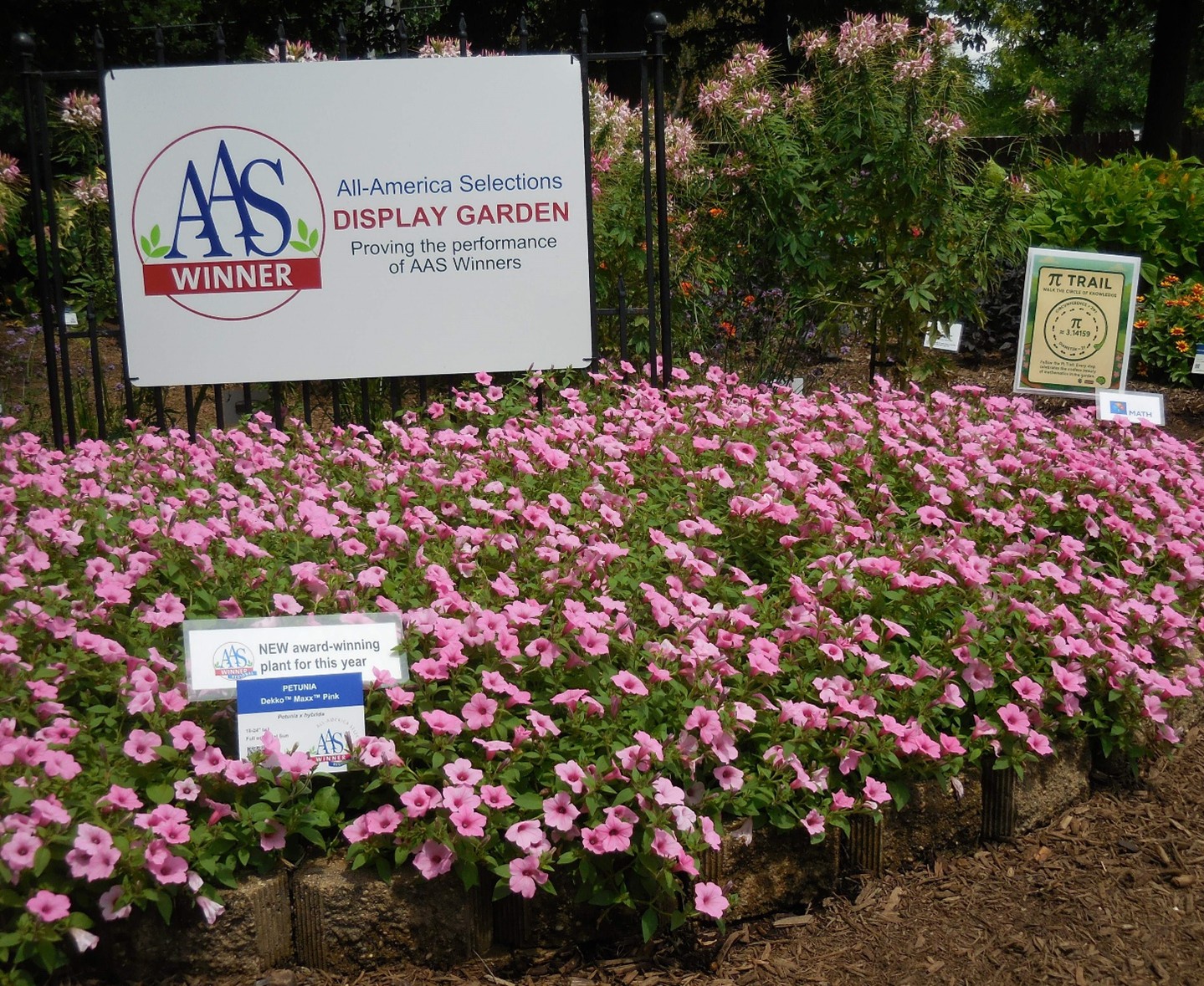
Second-place winner: McCrory Gardens, Brookings, South Dakota

McCrory Gardens titled its 2025 AAS design garden, "The Art of Curiosity in the Pigment Garden: Art, Science, and Horticulture Converge." Inspired by a conference presentation, garden staff created a feature showcasing AAS winners and other species capable of producing natural dyes. Every plant label included its scientific name, dye color and the specific plant part used. The design incorporated a wide range of AAS winners, from vintage classics to modern selections. Educational signs explained the dye extraction process, highlighting the intersection of horticulture, science and art. Visitors expressed fascination and surprise at the diverse potential of the pigment garden.
Third-place winner: Horticultural Art Society Demonstration Garden, Colorado Springs, Colorado
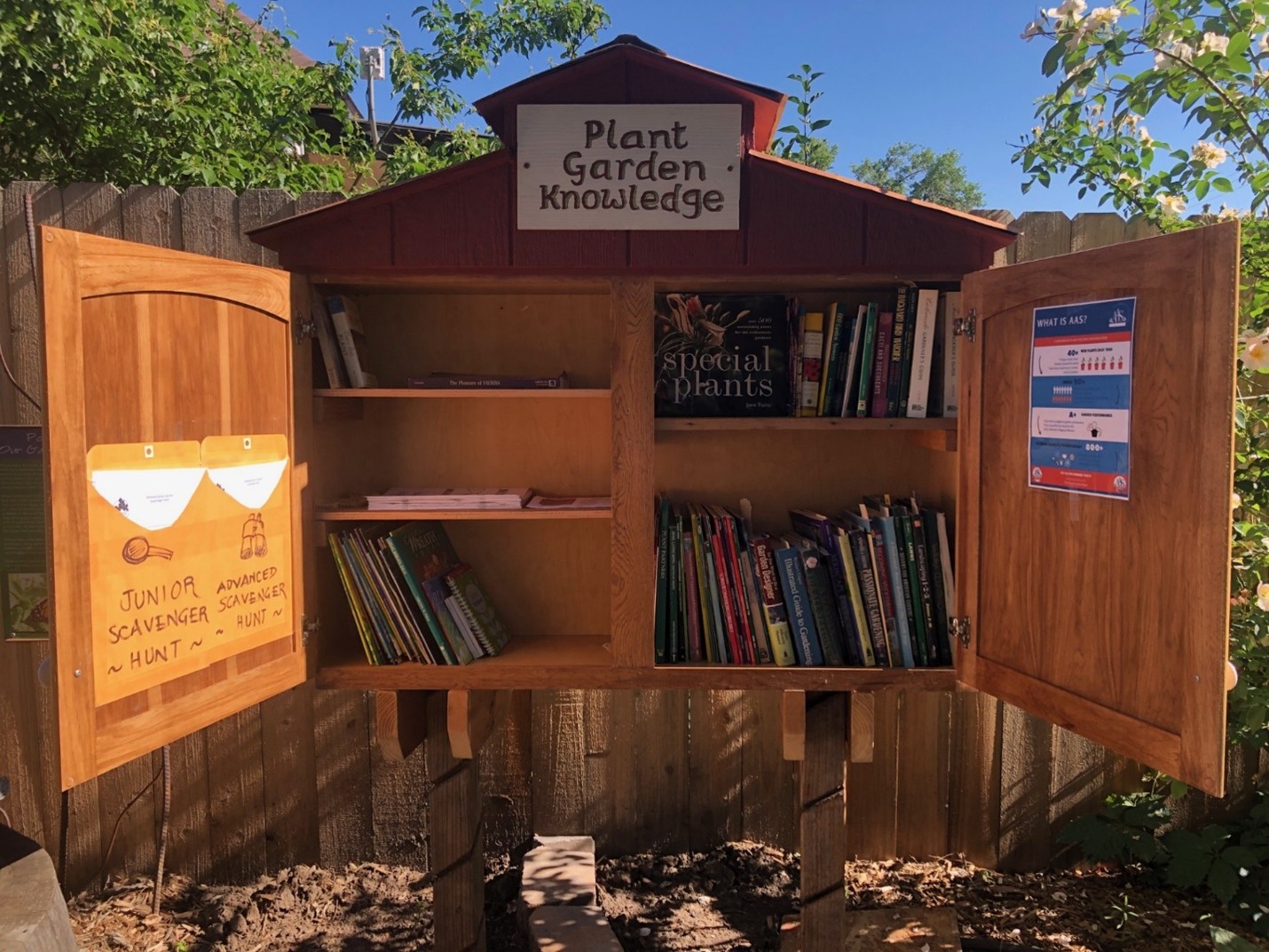
The Horticultural Art Society integrated STEAM principles into its public garden by developing structured, interactive educational activities. The design included a “Garden Library” with an AAS infographic and multi-level scavenger hunts, alongside raised plant troughs demonstrating square footage and companion gardening (math/science) and water-saving irrigation (engineering). To promote ecological awareness, a functional worm box and a pollinator house offered hands-on learning. Art was emphasized through recycled material sculptures and creatively painted elements. These educational features have notably increased visitor engagement, especially among young children, promoting sustainable living and environmental stewardship throughout the community.
Category I: Under 10,000 visitors per year
First-place winner: Penn State Extension Master Gardeners' Idea Gardens, Mannheim, Pennsylvania

The Penn State Extension Master Gardeners’ Idea Gardens incorporated STEAM concepts into its 2025 display, featuring numerous educational signs with AAS branding, along with four well-attended open houses and various activities, including creating seed balls and planting in paper pots, alongside a "Garden Quest" for adults. Two visiting art associations painted the gardens, adding to the visual appeal. AAS winners were strategically planted for color and height. All AAS produce was donated to the "Adopt-A-Pantry" food program. Approximately 1,700 known visitors toured the gardens, enjoying the engaging activities and the educational display of AAS and STEAM concepts.

The Johnson County Extension master gardeners at the K-State Olathe Horticulture and Research Center designed their AAS display garden to be a demonstration and teaching garden centered on the STEAM theme. A primary goal was creating an easily accessible, self-guided tour using QR codes and a video presentation, limiting verbiage and maximizing photos for all ages. The design incorporated all five STEAM elements, highlighted by paintbrush sculptures and a central color wheel. Visitors and fellow master gardeners praised the healthy plants, overall aesthetic and the integrated use of QR codes and AAS plant markers, allowing them to fully understand the educational application of STEAM within the garden space.
Third-place winner: Community Arboretum at Virginia Western Community College, Roanoke, Virginia
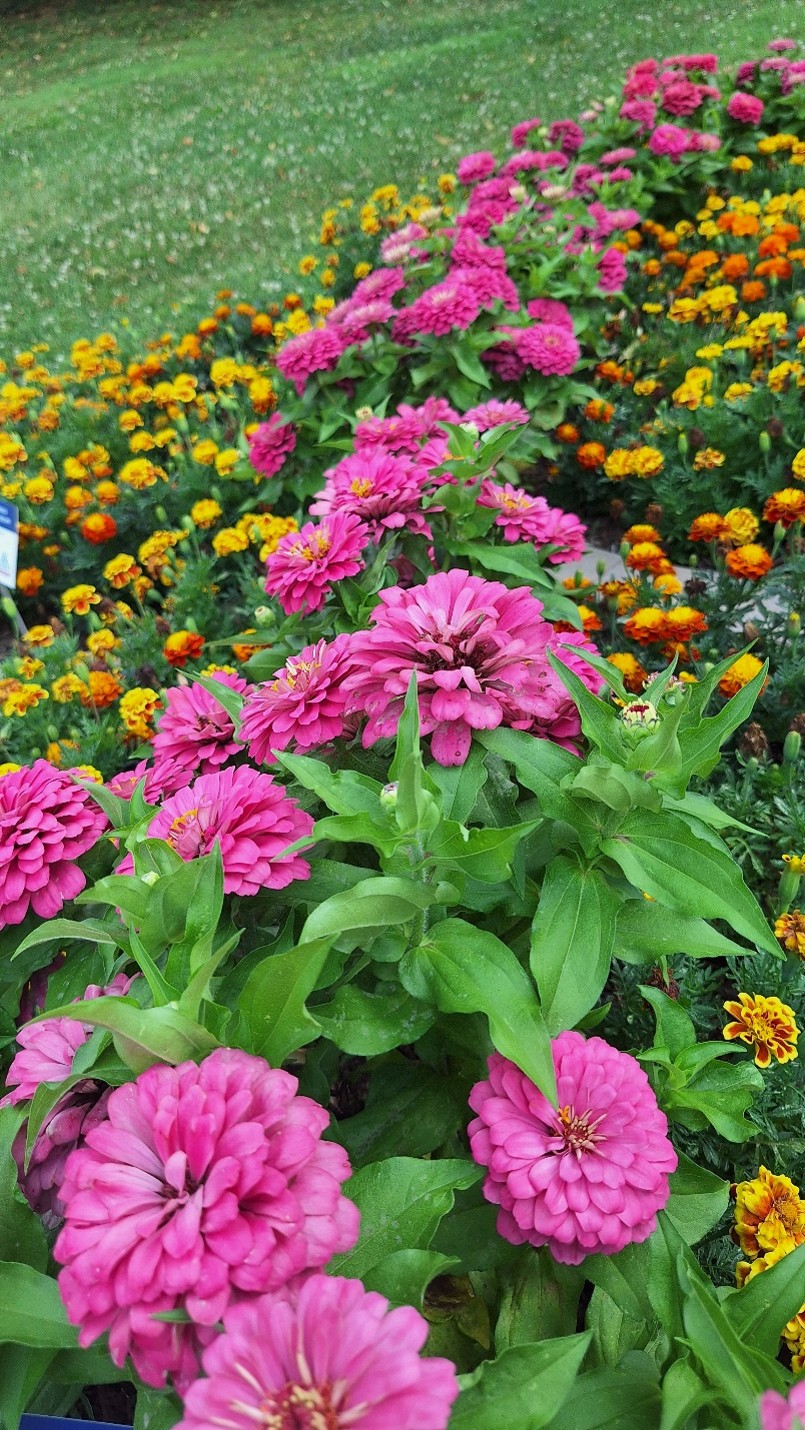
Horticulture student interns at the college developed the AAS garden design, unifying the STEAM theme through the Fibonacci sequence. The sequence (1, 1, 2, 3, 5, 8, 13, 21, 34) was visually represented by a spiral of zinnia cultivars. Each numerical block corresponded to a STEAM discipline, such as five blocks for the science section, which depicted a plant cell. Engineering featured a hexagon-shaped bed representing a honeycomb, while the art section was shaped like an artist’s pallet. Technology displayed cucumbers on trellises, symbolizing biomimicry. Visitors were impressed by the detailed interpretation of the Fibonacci sequence, validating the student-led planning, preparation and installation of the complex display.
Honorable mentions included:
- Cornell Cooperative Extension Parker F. Scripture Botanical Gardens, New York
- Cutler Botanic Garden, New York
- University of Minnesota North Central Research and Outreach Center, Minnesota
- Montpelier Kids Garden, Ohio
- Lee College Horticulture Program, Texas
- Boone County Extension Demonstration Garden, Kentucky
- Teaching Garden at Woodward Park, Oklahoma
- Griffin Museum of Science and Industry Garden, Illinois
Information on the winners in each category can be found on the AAS website.
For more information about the contest winners or how to participate in 2026, contact Diane Blazek from All-America Selections.
Latest from Garden Center
- National Garden Bureau, All-America Selections recognize pepper breeder Terry Berke, Territorial Seed Company President Tom Johns
- Cool tech for garden retailers
- The inventive women of TPIE ’26
- 10 questions with Jonah Nelson
- Quality Horticulture to acquire Hydrofarm Canada distribution
- From Structure to Storefront: The Retail Greenhouse Features Worth Planning For
- Growing flowers to grow confidence
- Think like Disney