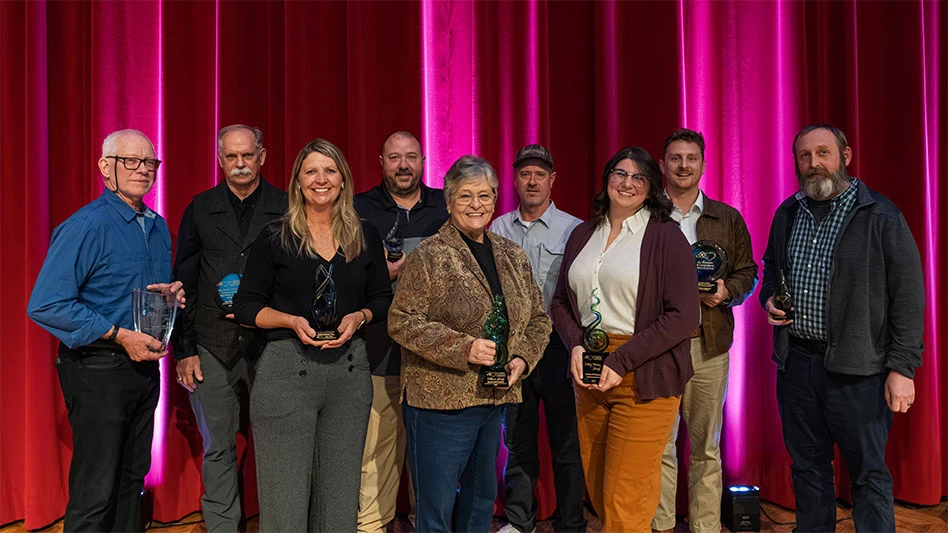
Pearl Crum and her business partner Jose Luis Vega Sr. of Dream With Colors in
{sidebar id=40}
“We’re trying to give them (the kids) more responsibility,” Crum said. “It’s tough, since we’re both controlling people. We’re fortunate that our kids do work here. That’s what we wanted when we started. To be able to build a company that our kids would take over when we’re not here or when we’re too old and feeble to do it.”
Crum and Vega appreciate having children who want to contribute to their business’ success. At the same time, they are well aware of the difficulties facing other young people interested in building a career in horticulture. Vega said the average wages and working conditions for new hires need to improve if horticulture is expected to compete with employment opportunities in other industries.
Focused on fortune and fame
The ability to recruit 20-year-olds to consider a career in horticulture isn’t going to get any easier based on the results of a recent
When asked about the life goals of their age group, most Gen Nexters said they want to “get rich” (81 percent) and to be famous (51 percent). These are hardly goals most of us would associate with horticulture.
The Pew survey characterizes this group as growing up in a world with personal computers, cell phones and the Internet and where the only constant is rapid change. This age group is comfortable with globalization and new ways of doing work. This group is the most likely to say that automation, outsourcing of jobs and the increasing number of immigrants have helped, not hurt, Americans. Sixty-seven percent indicated that immigrants strengthen American society.
Gen Nexters are the most tolerant of any generation regarding political and social issues including immigration, race and homosexuality. But this liberalism doesn’t mean that they will be any more politically active than previous generations. Only about 40 percent believed that as a citizen it was their duty to vote. Not surprisingly, more identified with the Democratic (48 percent) than the Republican (35 percent) party.
Increased wage is coming, but is it enough?
While increasing the current minimum wage from $5.15 to $7.25 an hour over two years won’t make Gen Nexters rich, it will affect about 5.6 million workers (4 percent of the work force). Full-time workers currently making the minimum wage would see their salaries rise from about $10,700 to $15,000. The last time the wage was increased was 1997.
Opinions over the impact a wage hike will have on the
U.S. Chamber of Commerce (www.uschamber.com) said it opposes a minimum-wage increase because of the disproportionate impact it would have on small- and medium-sized businesses. It speculates that the proposed $2.10 increase would likely result in a 40-percent surge in labor costs for these businesses.
{sidebar id=1}
President Bush is in favor of the increase as long as small business receives some tax and regulatory relief. He wants small business to remain competitive and to keep the economy growing. Gen Nexters and our industry should be in favor of that, regardless of political affiliation.
- David Kuack
Latest from Garden Center
- UTIA and UT Knoxville research teams will develop automated compost monitoring system
- Ken and Deena Altman receive American Floral Endowment Ambassador Award
- Native before it was cool
- Proven Winners partners with Pure Line Seeds to offer vegetable plants
- [WATCH] Taking root: The green industry’s guide to successful internships
- Award winners announced for 2026 PHS Philadelphia Flower Show
- Kansas City botanical garden Powell Gardens acquires IGC Colonial Gardens
- Art Van Wingerden appointed chair-elect of American Floral Endowment