From Quartz:
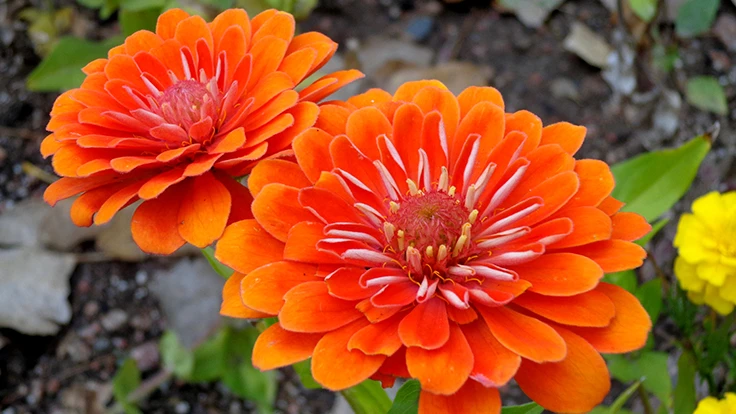
A brightly colored flower is the first to bloom in the International Space Station.
The zinnias were chosen by NASA not for their beauty, but to “help scientists understand how plants flower and grow in microgravity.” ISS astronauts made headlines last year after successfully growing lettuces on the ISS, but the zinnias proved to be a bit more difficult.
“The zinnia plant is very different from lettuce,” Trent Smith, the veggie project manager, notes in a NASA blog. “It is more sensitive to environmental parameters and light characteristics. It has a longer growth duration between 60 and 80 days. Thus, it is a more difficult plant to grow.”
For the rest of this story, please visit qz.com.
Latest from Garden Center
- The Growth Industry Episode 10: State of the Horticulture Industry
- Scientists develop vitamin A-enriched tomato to fight global deficiency
- Tennessee Green Industry Field Day scheduled for June 11
- UTIA and UT Knoxville research teams will develop automated compost monitoring system
- Ken and Deena Altman receive American Floral Endowment Ambassador Award
- Native before it was cool
- Proven Winners partners with Pure Line Seeds to offer vegetable plants
- [WATCH] Taking root: The green industry’s guide to successful internships