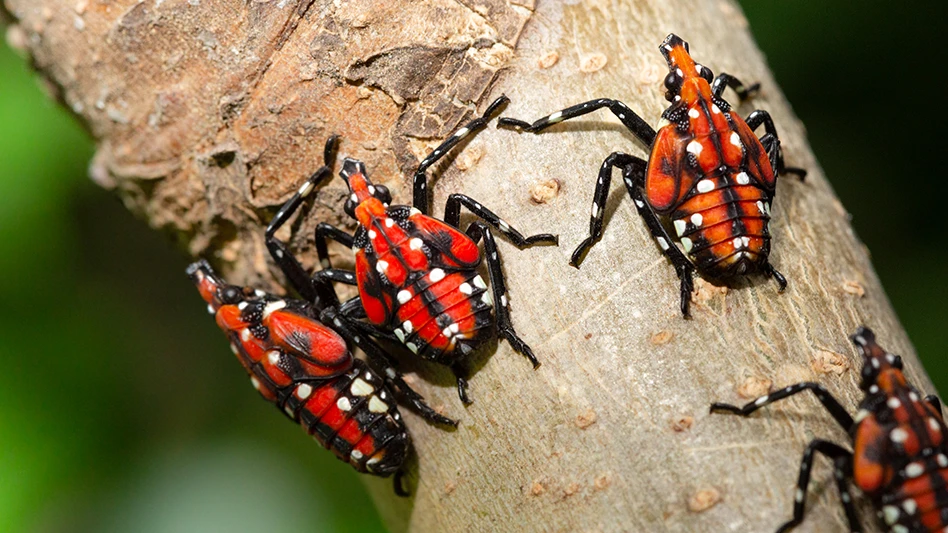
Two protozoan parasites are showing promise in the fight against imported fire ants.
On the heels of the successful release of phorid flies to control fire ants, USDA’s Agricultural Research Service is testing Thelohania solenopsae and Vairimorpha invictae. The parasites live in their host’s cells and infect the mound.
Worker ants transfer T. solenopsae spores to the queen, possibly through food. Infection reduces the queen’s egg laying, so colonies die out.
“Though we found that natural field infections of T. solenopsae were more prevalent in fire ant colonies with several queens, we also confirmed that single-queen colonies were susceptible to infection,” said ARS entomologist David Oi.
V. invictae successfully destroyed fire ant mounds, and researchers proved the parasite doesn’t infect non-fire ants or other arthropods.
“This is important because it shows that this pathogen may also be suitable for release in the
ARS researchers also discovered the first virus known to infect red imported fire ants -- Solenopsis invicta virus-1. It’s been associated with the deaths of immature ants. Infected ants don’t usually show symptoms unless they encounter certain stressors. Then, viral replication increases within them, and their brood later dies.
{sidebar id=2}
For more: David Oi, ARS, (352) 374-5987; david.oi@ars.usda.gov.
Latest from Garden Center
- Proven Winners partners with Pure Line Seeds to offer vegetable plants
- [WATCH] Taking root: The green industry’s guide to successful internships
- Award winners announced for 2026 PHS Philadelphia Flower Show
- Kansas City botanical garden Powell Gardens acquires IGC Colonial Gardens
- Art Van Wingerden appointed chair-elect of American Floral Endowment
- U.S. horticulture operations report $18.3 billion in sales: USDA
- Stonehouse Nursery announces ownership transition from founders to nursery manager
- From Structure to Storefront: The Retail Greenhouse Features Worth Planning For