If you’re looking for the latest information about perennial varieties, production and trends, and opportunities to network with fellow perennial plant aficionados, look to the annual Perennial Plant Association (PPA) Symposium.
One of the aspects that sets the PPA Symposium apart from other events, besides its exclusive focus on perennial plants, is the diversity of activities throughout the symposium. In addition to the conference sessions, there are multiple tour options throughout the week, plenty of time for networking and various opportunities to explore the green spaces in the surrounding area.

“The PPA Annual Symposium combines a rich program schedule with unique tours throughout the week. In fact, it’s the tours that really distinguish the conference from other industry events we all attend,” Leslie Halleck, Greenhouse Management contributor and PPA board member says. “You have a unique opportunity to visit gardens you’d never otherwise see, and network with a varied cross-section of industry members. It’s a powerhouse group of plant people, for sure.”
This year’s event took place during the first week of August in the Twin Cities, Minneapolis-St. Paul, an area with a strong horticultural presence and history. Greenhouse Management was there to take in the conference sessions about anything from native plant diversity in Minnesota, to the right plants to use in stormwater treatment basins, to the varieties you should have in your lineup, tours of wholesale growers in the area, and much more. Here are some of the highlights of this year’s event.
Educational opportunities
The conference portion of the event included more than 25 presentations about a wide range of topics. Here are a few of the many takeaways:
1. Perennials and pollinators: Consumers have become increasingly interested in supporting bees and other pollinators in recent years, and this has been instrumental in boosting the perennials market. Several speakers highlighted pollinator-friendly varieties and efforts being undertaken to support the populations.
2. Updated perennials resource: Stanton Gill, Extension Specialist in Integrated Pest Management for Greenhouses and Nursery at the University of Maryland, addressed common pest problems in perennial crops. For further information on these aspects and others in perennial production, he suggested consulting the 2016 revised edition of Total Plant Management for Herbaceous Perennials.
3. Timing is everything: Jeremy Windemuller, trial manager at Walters Gardens, looked at reasons to consider planting “early spring blooming plants and perennials that take time to bulk” in late summer versus early in the following year. These include taking advantage of a generally slower time of year for most growers, not having a need to heat or supplement light levels, and providing the plant with the opportunity to bulk up before being vernalized.
4. Try, try again: “If we don’t have five major failures each year, we’re not trying enough new things,” said Dean Engelmann of grower-retailer Tangletown Gardens. His takehome message was to not be afraid to keep tweaking your business model until you find the right fit.
5. Landscapes with a purpose: Shannon Currey of Hoffman Nursery, a native and ornamental grasses grower, spoke about what the modern landscape looks like. It has a purpose “beyond the visual” and supports the surrounding wildlife. Being a source of health and well-being, integrating into the ecosystem and the responsible use of natural resources are also of concern to today’s consumer. Currey also notes that the more we see “uncommon” landscapes like urban meadows (versus traditional grass lawns or standard landscape designs) that fulfill these purposes, the more mainstream — and accepted — they will become.

6. Planning for success: Nothing that happens this year will make it so you can’t make a profit, neither the election results, nor the economy, Dr. Charlie Hall told attendees during a keynote presentation. Hall predicts a continued increase in demand for garden tools and plants and says there’s no need to be conservative with business decisions. However, he cautions against growing an operation for the sake of growing it. He advised attendees to first make their businesses more efficient and increase profit margins. Lastly, have a contingency plan so that no matter what happens, you’re set up for success.
Read more about the PPA Symposium in the November issue of Greenhouse Management.
Top photo: Karen E. Varga
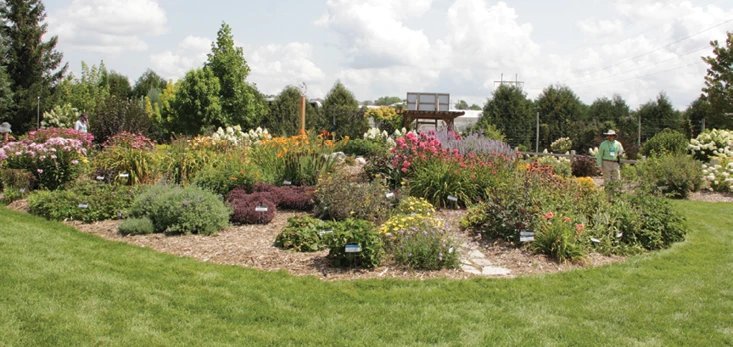
The trial gardens at Bailey Nurseries gave tour attendees the chance to evaluate plants in a northern climate.
Latest from Garden Center
- The Growth Industry Episode 10: State of the Horticulture Industry
- Scientists develop vitamin A-enriched tomato to fight global deficiency
- Tennessee Green Industry Field Day scheduled for June 11
- UTIA and UT Knoxville research teams will develop automated compost monitoring system
- Ken and Deena Altman receive American Floral Endowment Ambassador Award
- Native before it was cool
- Proven Winners partners with Pure Line Seeds to offer vegetable plants
- [WATCH] Taking root: The green industry’s guide to successful internships