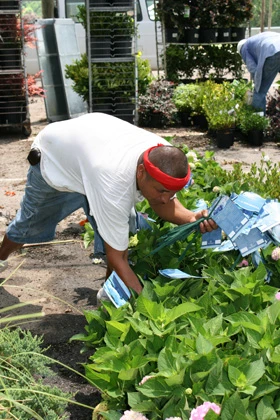
While the majority of the country is gripped with a heat wave, make sure your employees are protected from the sun and the heat. Keep them safe from heat exhaustion and heat stroke.
Knowing the signs and symptoms of heat-related illnesses and heat stress such as heat cramps, heat exhaustion, and most dangerous, heat stroke, and by taking precautions can help prevent their onset. Symptoms indicative of heat exhaustion, which is caused by the loss of large amounts of fluid and/or salt sweating, include: clammy and moist skin; extreme weakness or fatigue; giddiness; nausea; headache; or fainting. Warning signs of heat stroke vary, but could include: an extremely high body temperature (above 103°, orally); red hot, and dry skin (no sweating); rapid, strong, pulse; throbbing headache; dizziness; nausea; confusion; or unconsciousness. Prompt assessment of employees experiencing any of these symptoms, and the delivery of appropriate first aid or emergency medical care are advised.
The best defense against heat-related illnesses is prevention. By following heat-related safety tips, employers can aid in protecting employees from extreme heat conditions.
* Ensure all of your employees have been trained in heat-related illnesses (document training).
* Monitor weather forecasts to determine when a “Heat Advisory” or “Heat Alert” is in effect.
* Drink 16-32 ounces of cool fluids each hour when working outdoors.
* Replace salt and minerals with electrolyte drinks.
* Do not rush; a slower but steady pace reduces stress on the body.
* Avoid working in direct sunlight whenever possible, and take frequent breaks.
* Protect the face and head by wearing a wide-brimmed hat.
* Wear UV-absorbent sunglasses to protect the eyes.
* Perform most strenuous outdoor tasks during the morning, if possible.
* Wear loose-fitting, light weight, light-colored clothing.
* Use a buddy system and check on employees often; monitoring for heat-related symptoms increases the chances of avoiding illness.
* Avoid hot foods and heavy meals, since they add heat to the body; avoid caffeine and alcohol, due to their dehydrating properties.
* Ensure provisions are in place for prompt medical attention.
Latest from Garden Center
- UTIA and UT Knoxville research teams will develop automated compost monitoring system
- Ken and Deena Altman receive American Floral Endowment Ambassador Award
- Native before it was cool
- Proven Winners partners with Pure Line Seeds to offer vegetable plants
- [WATCH] Taking root: The green industry’s guide to successful internships
- Award winners announced for 2026 PHS Philadelphia Flower Show
- Kansas City botanical garden Powell Gardens acquires IGC Colonial Gardens
- Art Van Wingerden appointed chair-elect of American Floral Endowment