Five therapeutic gardens received grants totaling $7,500 through the National Garden Bureau's Therapeutic Garden Grant program, which includes sponsors American Meadows, Ball Horticultural Company and Sakata Seed America.
For more than 12 years, National Garden Bureau has provided resources for therapeutic gardens that allows these gardens to continue and expand their work for deserving.
After a two-week online voting period, the public named the five winning gardens. The descriptions below were provided by NGB.
Wilmot Botanical Gardens, Gainesville, Florida
First-place vote recipient; winner of a $3,000 grant
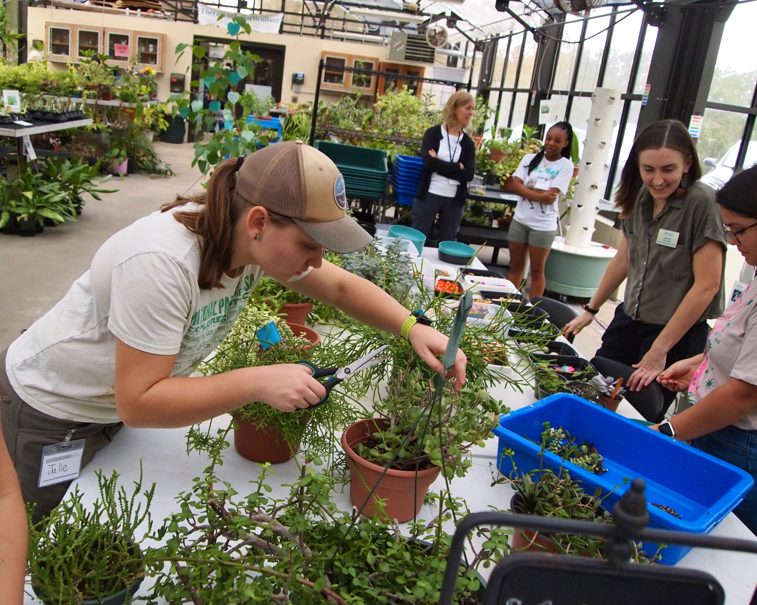
The Wilmot Therapeutic Horticulture Program operates on the core belief that connecting with plants and nature offers a restorative experience that profoundly enhances the quality of life. The program successfully serves diverse groups — from university students to veterans and individuals managing developmental disabilities or cancer — by meticulously tailoring goals to improve physical, cognitive, social and emotional well-being. Having recently completed new accessible raised bed gardens, the organization is now seeking funding to purchase seeds, compost and plants, expanding the program’s growing potential. Securing this support will allow participants to fully engage in building and tending the accessible garden space from soil to harvest, fostering valuable skills, a sense of purpose and community pride.
Capper Foundation, Topeka, Kansas
Second-place vote recipient, winner of a $1,500 grant

Capper Trail is a unique, inclusive and therapeutic garden designed to serve children and adults with disabilities, their families, caregivers, staff and the wider community, featuring accessible vegetable plots, a walking trail and relaxation areas built for people of all abilities. The garden integrates therapeutic programming that allows participants and staff to actively engage in planting, tending and harvesting, promoting physical well-being, social interaction and mental relaxation by cultivating essential connections between people, plants and nature; furthermore, the produce is used in Adult Day Services cooking classes and shared directly with the individuals the program serves.
The Arc Nature Coast Neff Lake Enrichment Center Garden, Brooksville, Florida
Runner-up, winner of a $1,000 grant
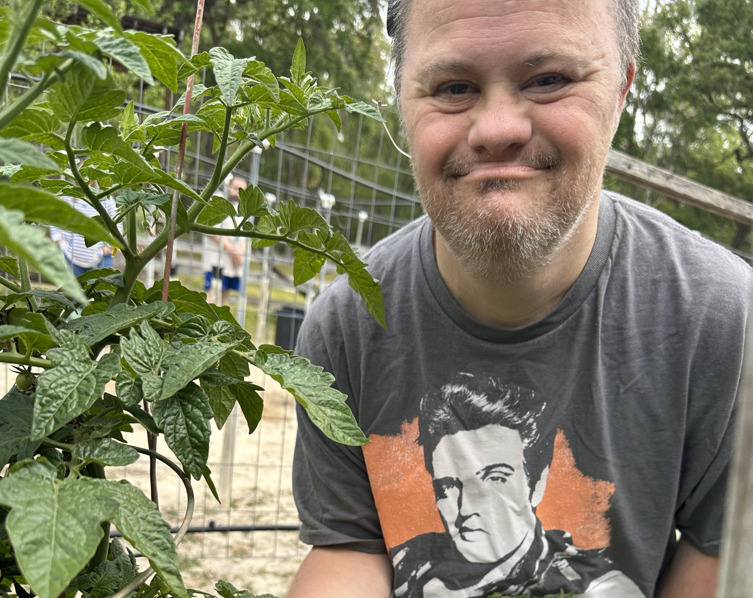
The Neff Lake Enrichment Center Garden, established in 2015, has successfully nurtured the growth and well-being of developmentally disabled adults, and with Hernando County's population swelling by 24.8% since then, the center is now expanding its capacity to meet community needs. This initiative includes a garden expansion and the construction of an ADA-compliant greenhouse, designed to deepen the connection between participants and nature while empowering them through therapeutic horticulture. This expansion will provide immersive vocational training in plant cultivation and sales, promote self-sufficiency by growing fresh produce for meal preparation, and offer proven therapeutic benefits like stress reduction and enhanced focus, ultimately creating lasting personal connections between participants and the natural world.
Daphne High School, Daphne, Alabama
Runner-up, winner of a $1,000 grant
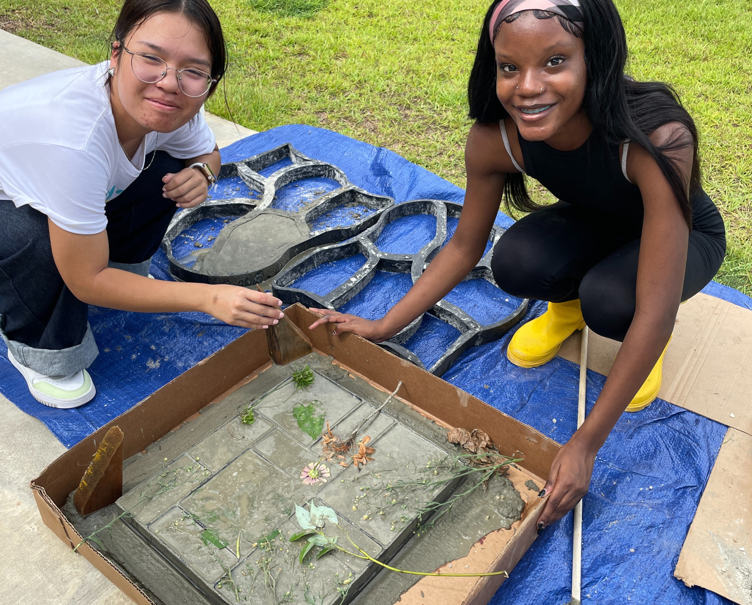
Daphne High School's Therapeutic Gardening Initiative successfully connects high school agriculture students with senior citizens and veterans through a unique program of hands-on horticultural therapy and intergenerational service. For three years, students have visited local assisted living facilities and a veterans’ home to lead therapeutic plant-based activities, including herb sachets, container gardening, tea blending and flower arranging, providing comfort and connection for seniors while teaching students valuable lessons in empathy and communication. Central to this effort is the school garden, which features medicinal herbs, pollinator flowers and a natural dye garden, where students grow botanicals like indigo and marigold for use in creative, sensory-rich art therapy projects such as plant pounding and botanical prints, effectively sparking memory and joy among participants.
The Hough Foundation, Vancouver, Washington
Runner-up, winner of a $1,000 grant
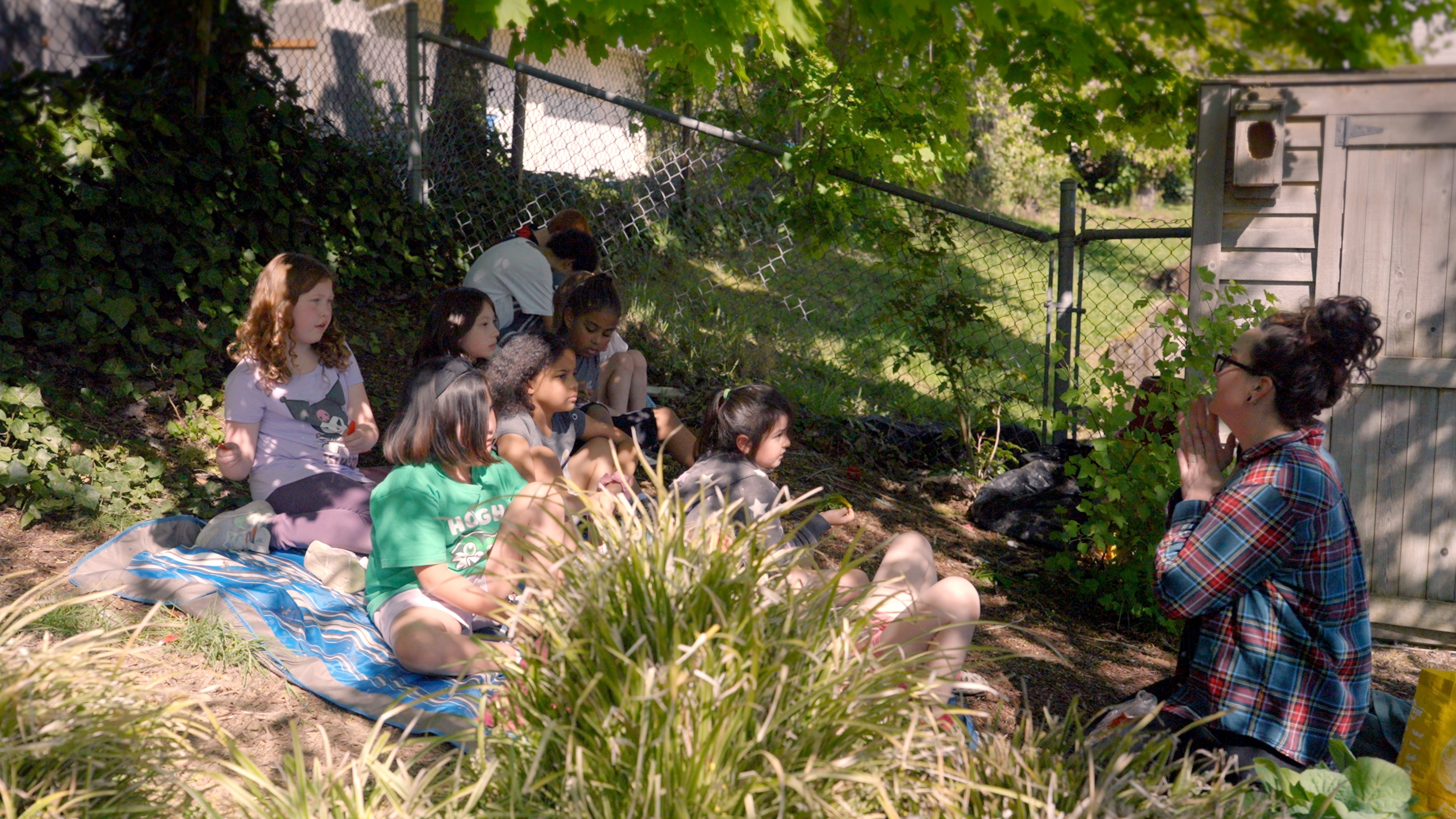
The Garden Club at Hough Elementary in Vancouver, Washington, provides essential, inclusive, nature-based learning for K-5 students, operating under the guidance of a certified horticultural therapist to foster emotional regulation, academic engagement and social connection through over 75 hours of annual hands-on garden experiences. This space is also utilized by teachers and specialists for de-escalation and social-emotional learning, aligning all activities with Washington State Learning Standards for science and integrating STEM principles. With the grant funding, the program will acquire materials and adaptive tools specifically to expand therapeutic activities for students with disabilities and sensory processing challenges, building upon its existing success, which includes earning the Audubon Society silver certification in 2023.
The judges who read all the applications and narrowed them down to the five finalists were Patty Cassidy, vice president, American Horticultural Therapy Association; Barbara Kreski, retired director, horticultural therapy, Chicago Botanic Garden; Alicia Green, Buehler Enabling Garden coordinator, Chicago Botanic Garden; Isabel Fuenzalida, culture and organizational development director, Sakata Seed America; Mark Gross, corporate giving, Ball Horticultural Company; Nancy Ketchmark, owner, Flowers Contained; and Tabar Gifford, partnership cultivator, American Meadows.
Latest from Garden Center
- Changes to 2026 Top 100 Independent Garden Centers List
- Gordie Bailey Jr., third-generation family leader of Bailey Nurseries, passes at 90
- New American Floral Endowment scholarship supports global floriculture research
- Seventh edition of Tulip Trade Event planned for March 2026 in Netherlands
- [WATCH] The Cloud Makers inventor on how she made it rain at TPIE 2026
- Knox Horticulture joins ThinkPlants perennial young plant network
- The Growth Industry Episode 9: IPPS International Tour preview with Brie Arthur and Liz Erickson
- Horticultural Research Institute announces 2026 board leadership and trustee appointments